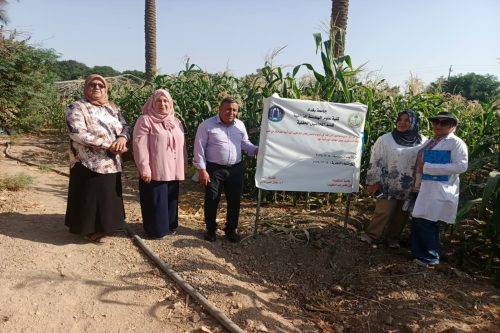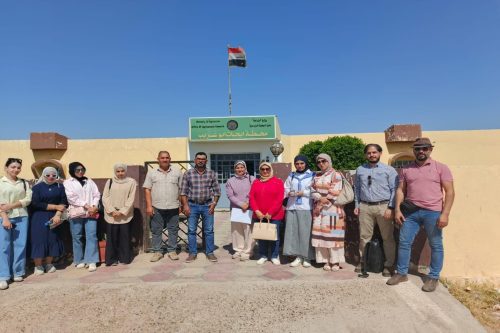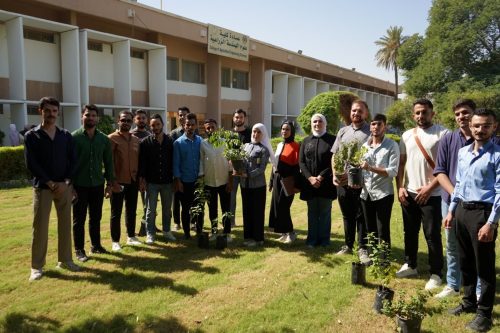
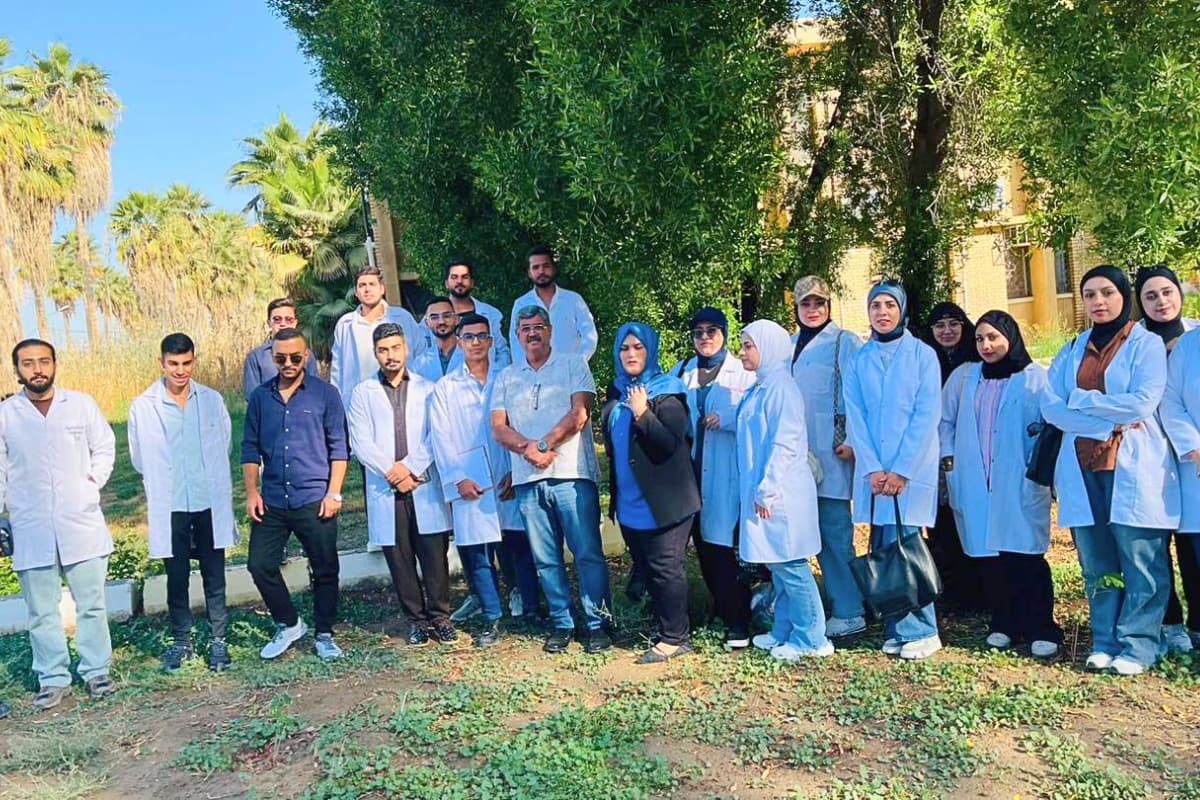
The Department of Horticulture and Landscape Engineering at the College of Agricultural Engineering Sciences organized a field visit to the Abu Ghraib site as part of the requirements for the “Nursery Design and Propagation” course for second-year students.
The visit aimed to enhance the practical aspect of the course by familiarizing students with the horticultural infrastructure and on-site management practices, including the greenhouse, date palm orchard, and fig orchard.
During the visit, students had the opportunity to apply theoretical concepts in a real working environment, explore the stages of nursery establishment, greenhouse management, and field plant propagation programs, in addition to observing agricultural maintenance and production processes in the experimental orchards.
These applied activities are part of the department’s strategy to develop students’ practical skills and link academic study with field training, preparing them for the agricultural labor market and modern horticultural production sectors. This activity also contributes to achieving Sustainable Development Goal 4 (Quality Education).