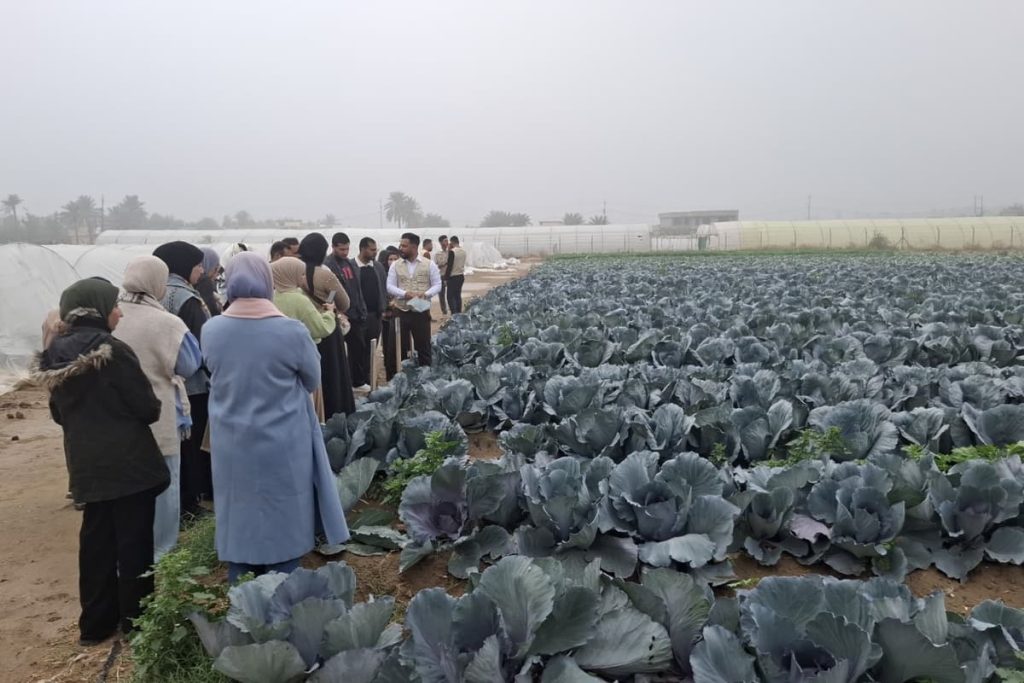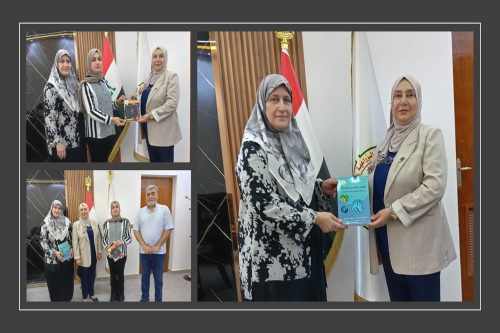
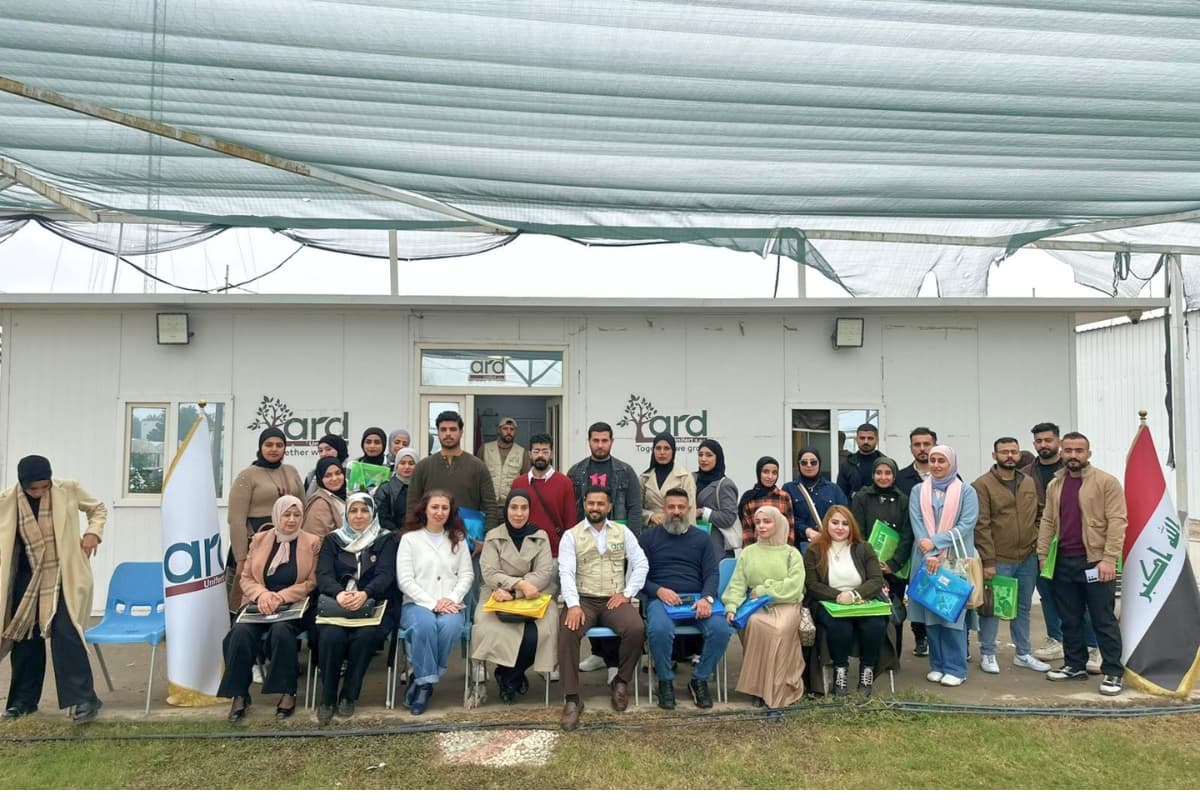
As part of its efforts to enhance field-based learning and promote sustainable development, the Department of Horticulture and Landscape Engineering organized a scientific visit for fourth-year students to Ardh Univert Company, accompanied by several faculty members.
The visit aimed to showcase the latest technologies in protected agriculture and seed production, as well as integrated management systems for modern agricultural projects. Students received detailed briefings from company specialists on production improvement techniques, smart irrigation applications, greenhouse management, and high-quality seed production processes.
The activity aligns with the college’s commitment to Sustainable Development Goal 4 – Quality Education, supports agricultural innovation, and strengthens partnerships between academia and the private sector. The visit concluded with discussions between students, faculty, and the company team, highlighting the importance of connecting theory with practical experience to prepare students for the workforce.
Media and Government Communication Unit