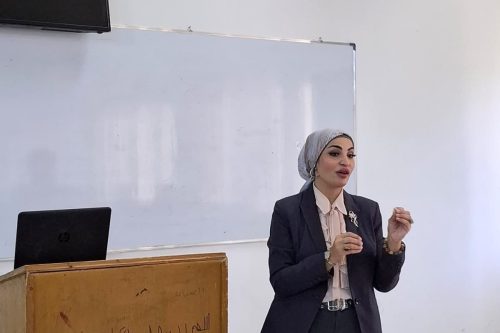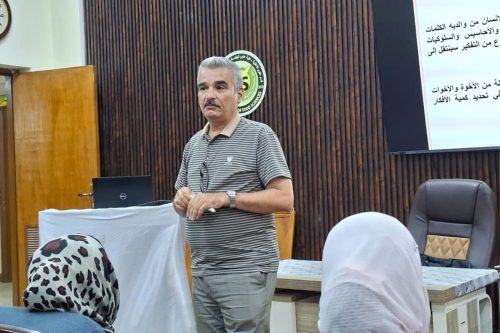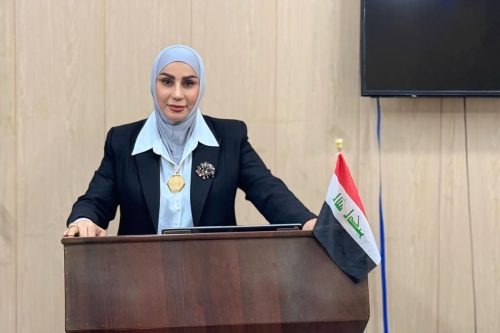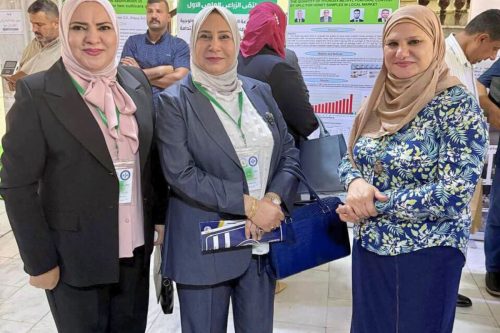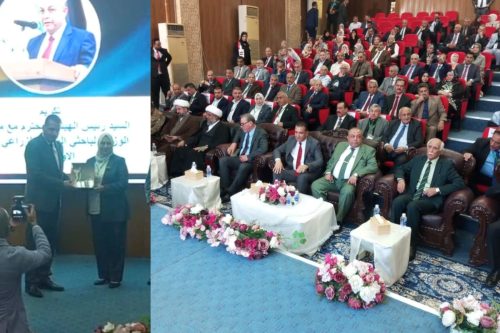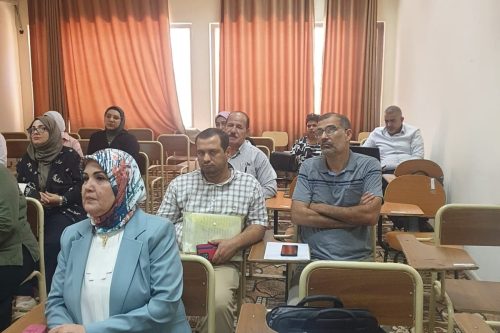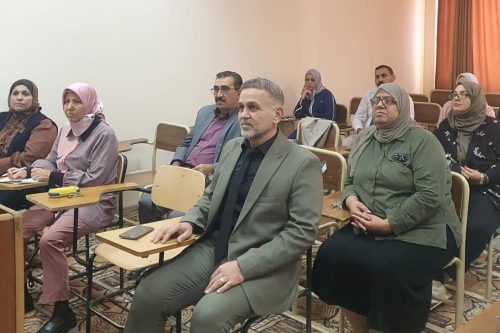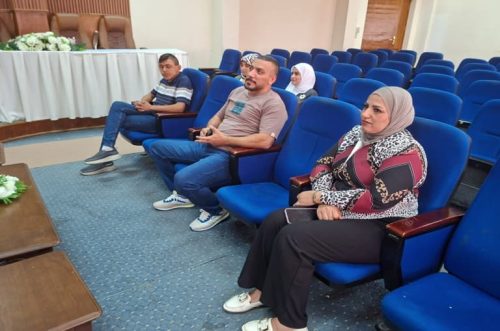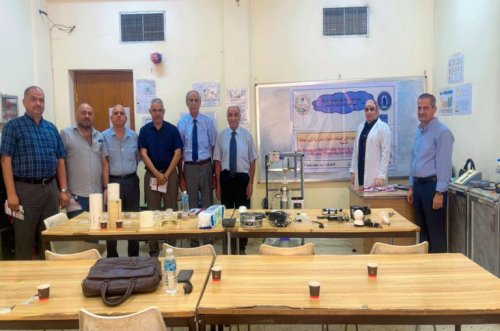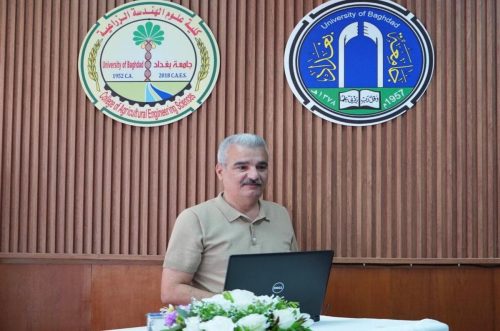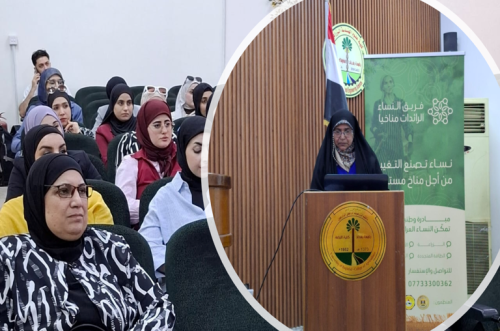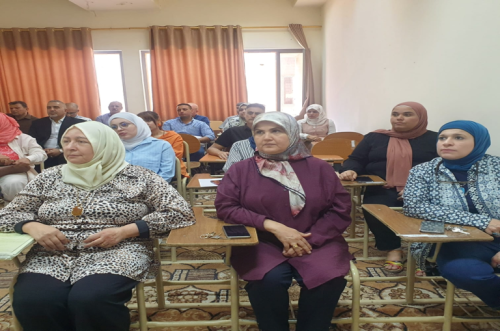
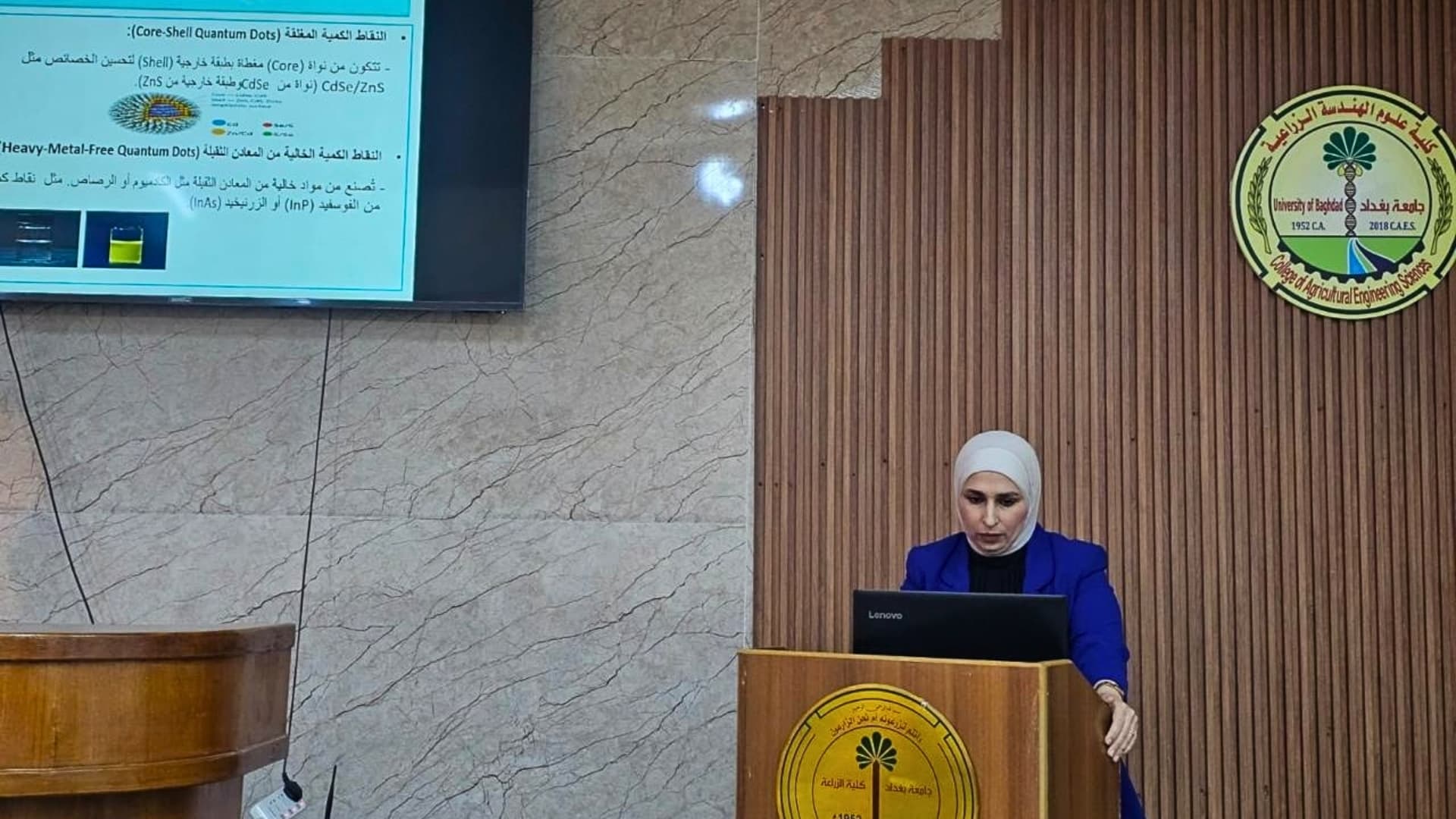
The Biological Control Research Unit at the College of Agricultural Engineering Sciences, University of Baghdad, in cooperation with the College of Science, University of Baghdad, organized a workshop entitled:
“Quantum Dots as Advanced Nanoparticles and Their Role in Biological Resistance and Agricultural, Medical, and Environmental Applications.”
The workshop was delivered by Dr. Shaimaa Hameed Kamil, Associate Professor Dr. Haifa Nouri Matar, and Assistant Lecturer Sara Faisal Hassan, faculty members from the College of Science, University of Baghdad, and was attended by a number of faculty members and staff of the college.
The workshop addressed the concept of quantum dots and explained how material size at the nanoscale influences physical and chemical properties. It also highlighted how these unique properties can be utilized as indicators of insect and plant disease infections, enabling early detection and timely implementation of appropriate crop management practices.
The workshop aimed to introduce recent applications of quantum dots and explore their potential as effective tools for controlling insect pests and plant diseases.
The participants recommended adopting available nanotechnology-based techniques in agriculture to support early monitoring of insect and disease infections, enhance pest management strategies, improve crop quality, and reduce reliance on conventional chemical pesticides.