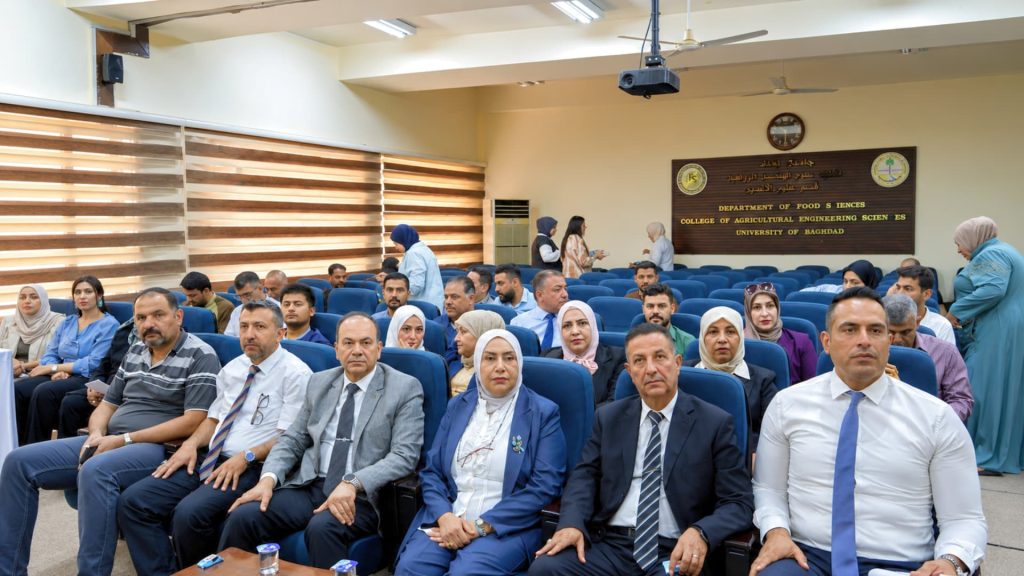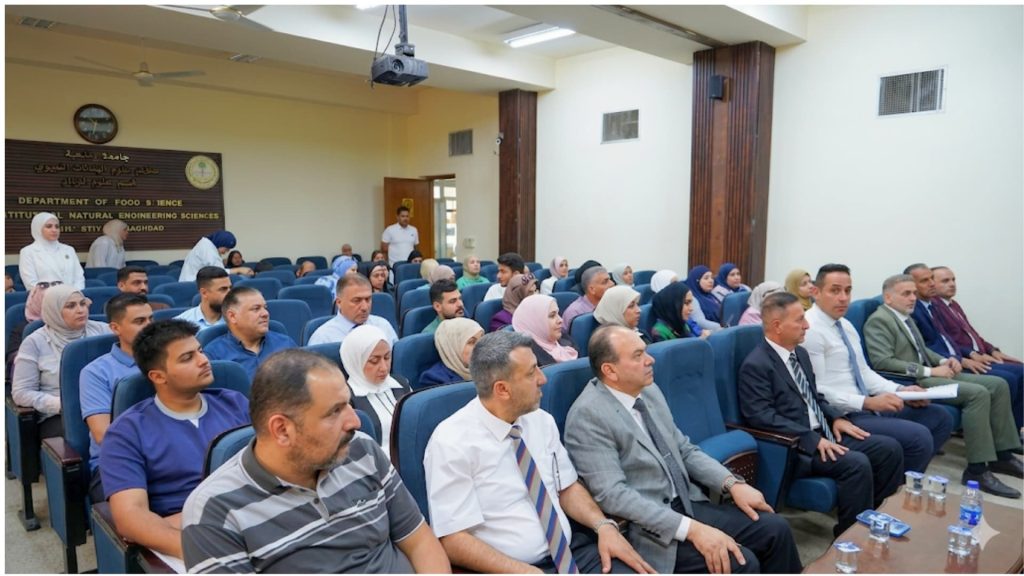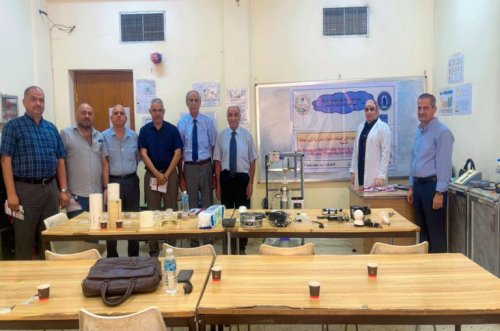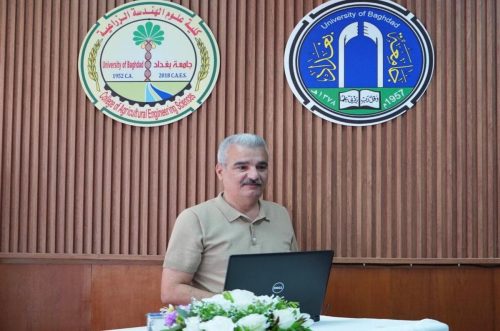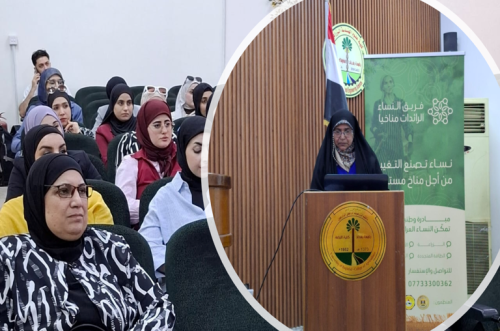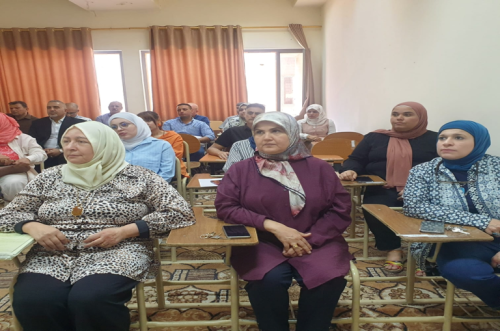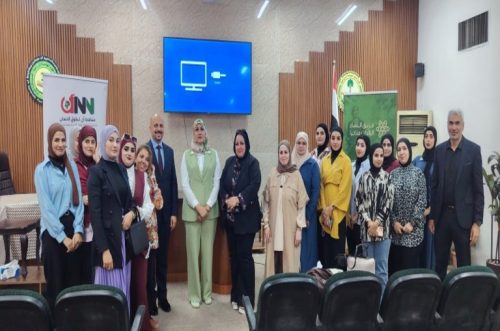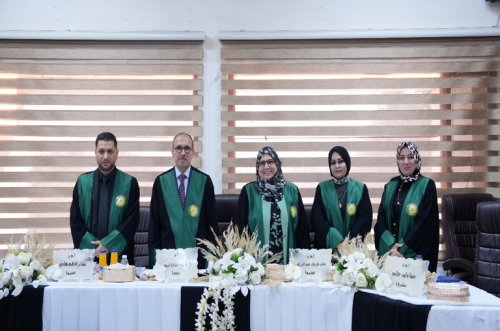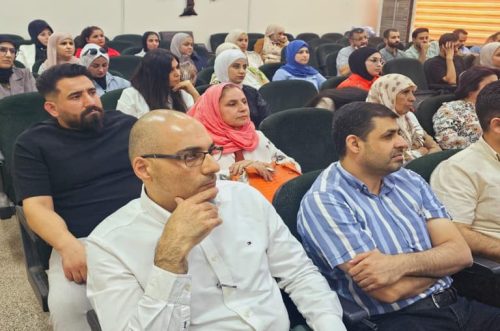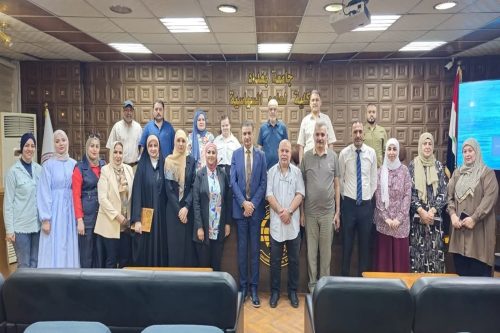
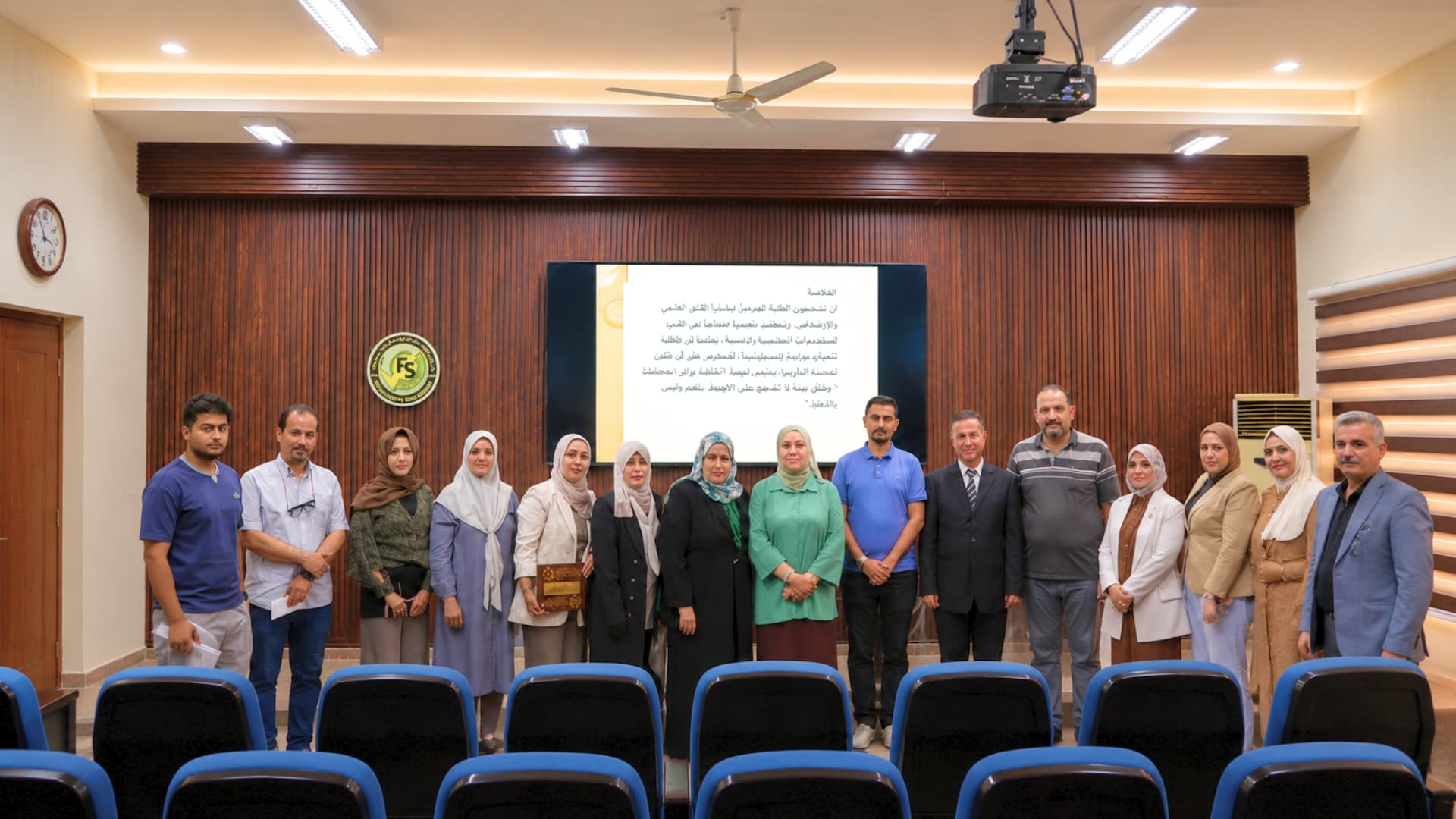
The Psychological Counseling Unit at the university, in cooperation with the Continuing Education Unit and the Government Media and Communication Division, organized a scientific seminar titled “Low-Quality Content and Its Psychological and Social Effects on Society.” The seminar was presented by Dr. Mithna Faleh Hammoud, Dr. Taghreed Jiad Dari, and Assistant Professor Zaid Salem Suleiman, in the presence of the Dean of the College, Prof. Dr. Amira Mohammed Saleh, members of the College Council, as well as a number of staff members, faculty, and students.
The seminar addressed key topics, including the definition of low-quality content and its psychological and social impacts on individuals and families, as well as conflict management within the family context.
The seminar aimed to highlight the psychological effects of low-quality content, promote ways to avoid it, and encourage meaningful content that strengthens authentic societal values and ethics.
The recommendations emphasized intensifying psychological counseling efforts to raise awareness and prevent exposure to low-quality content, in addition to giving greater emphasis to responsible media in combating negative influences in society and highlighting positive role models that inspire constructive work and emulation.