Welcome to the Department of Horticulture and Landscape Gardening Labs at the College of Agricultural Engineering Sciences, University of Baghdad. Our laboratories are dedicated to the science of plant cultivation and aesthetic design, providing a specialized environment for advanced Horticultural research. We focus on areas such as plant physiology, nutrition, and post-harvest care to enhance the quality and sustainability of ornamental and food crops.
The Department of Horticulture and Landscape Gardening Labs is a key pillar of academic excellence within the College of Agricultural Engineering Sciences. By integrating artistic landscape design with rigorous scientific analysis, we support innovative Horticultural research that addresses environmental and urban challenges. Our facilities, including care and storage units, are equipped to provide students and researchers with hands-on expertise in modern gardening techniques.
Below, you can explore the specialized list of laboratories and technical facilities available within our department:
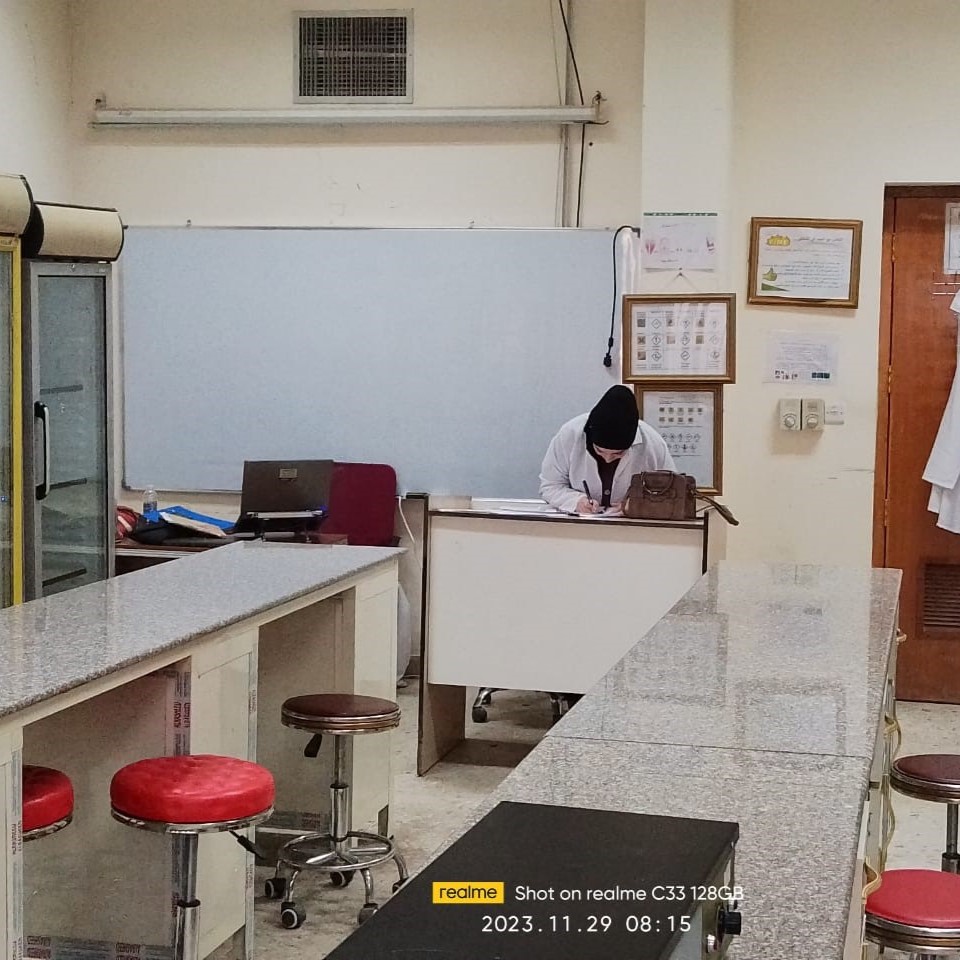
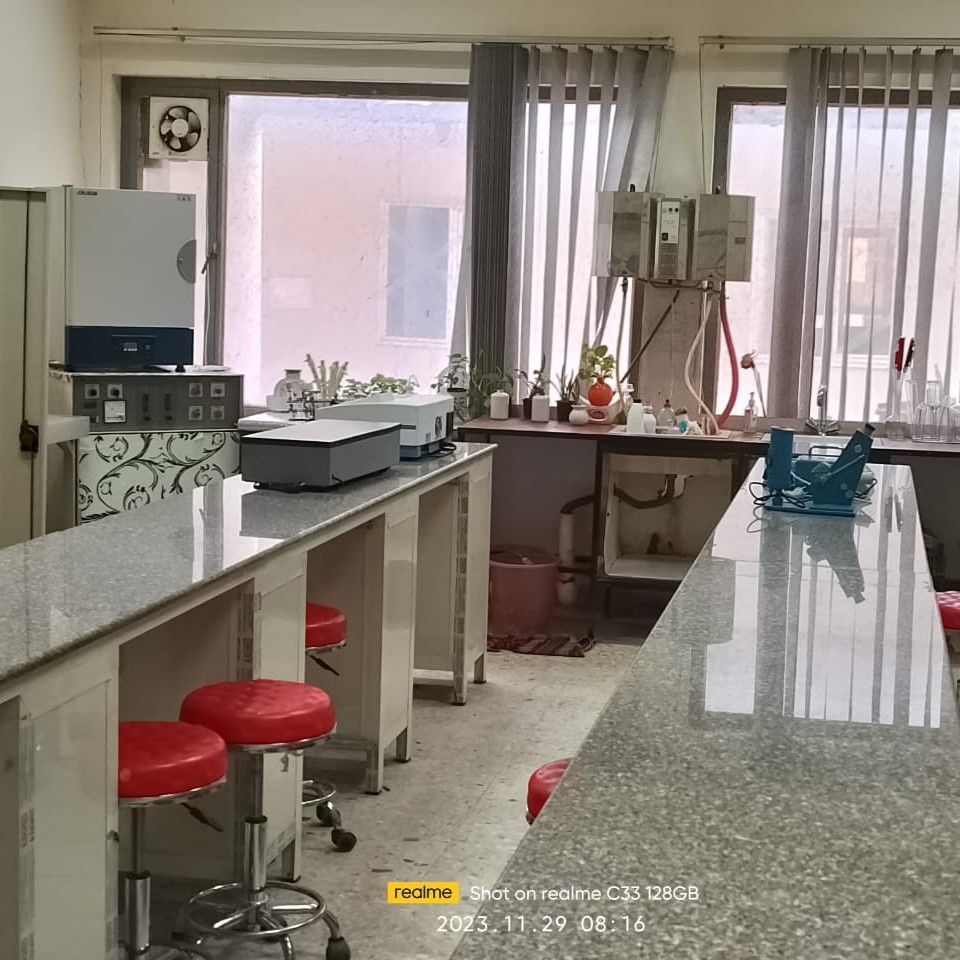
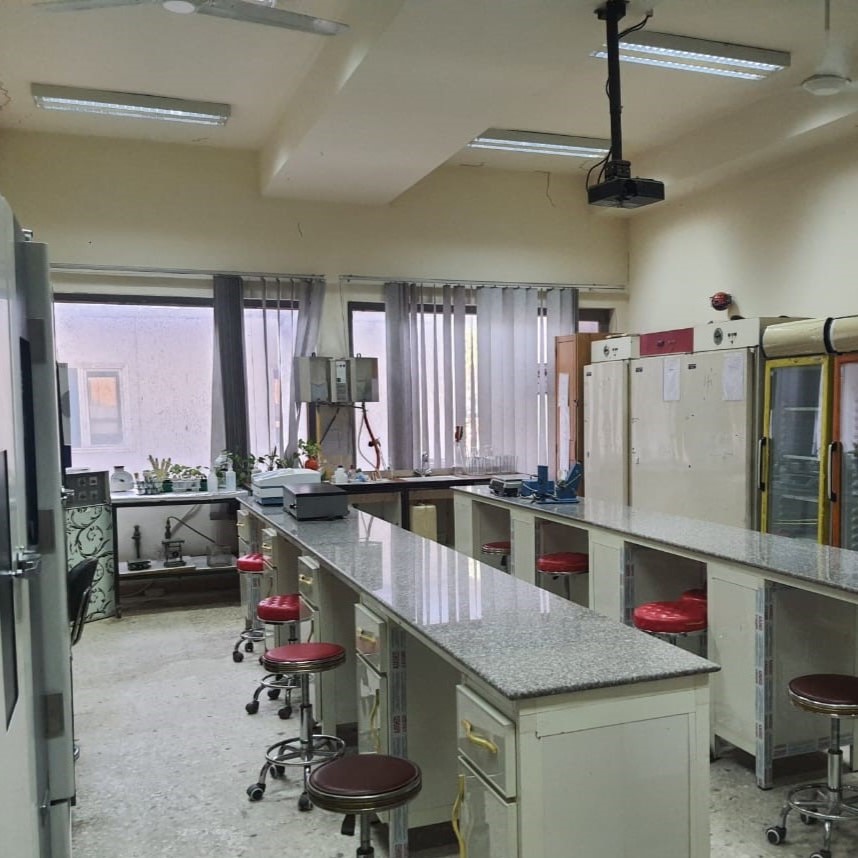
About the Lab
Vision, Message, and Objectives of the Lab

About the Lab
Vision, Message, and Objectives of the Lab
About Lab
Vision, Message, and Objectives of the Lab
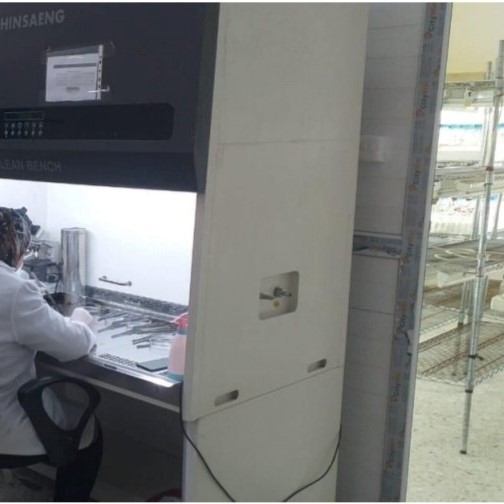
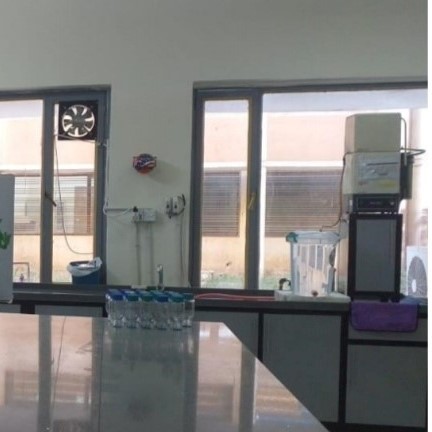
About the Lab
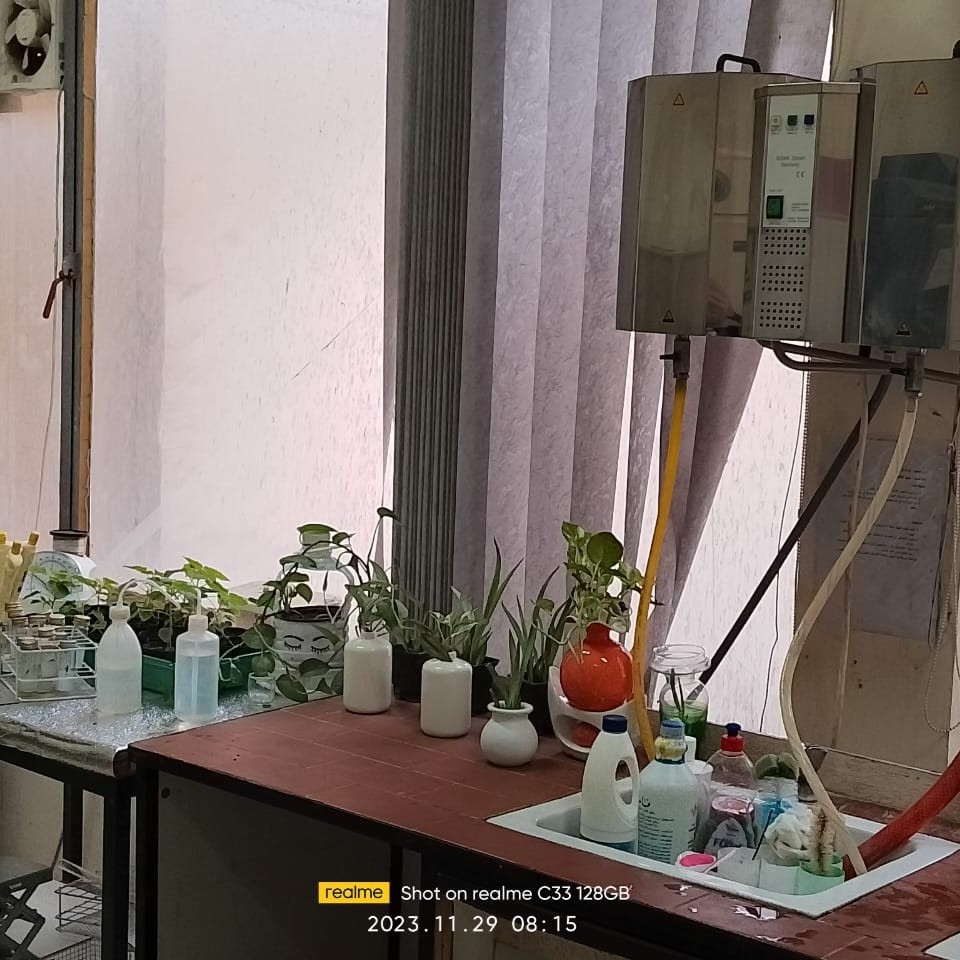
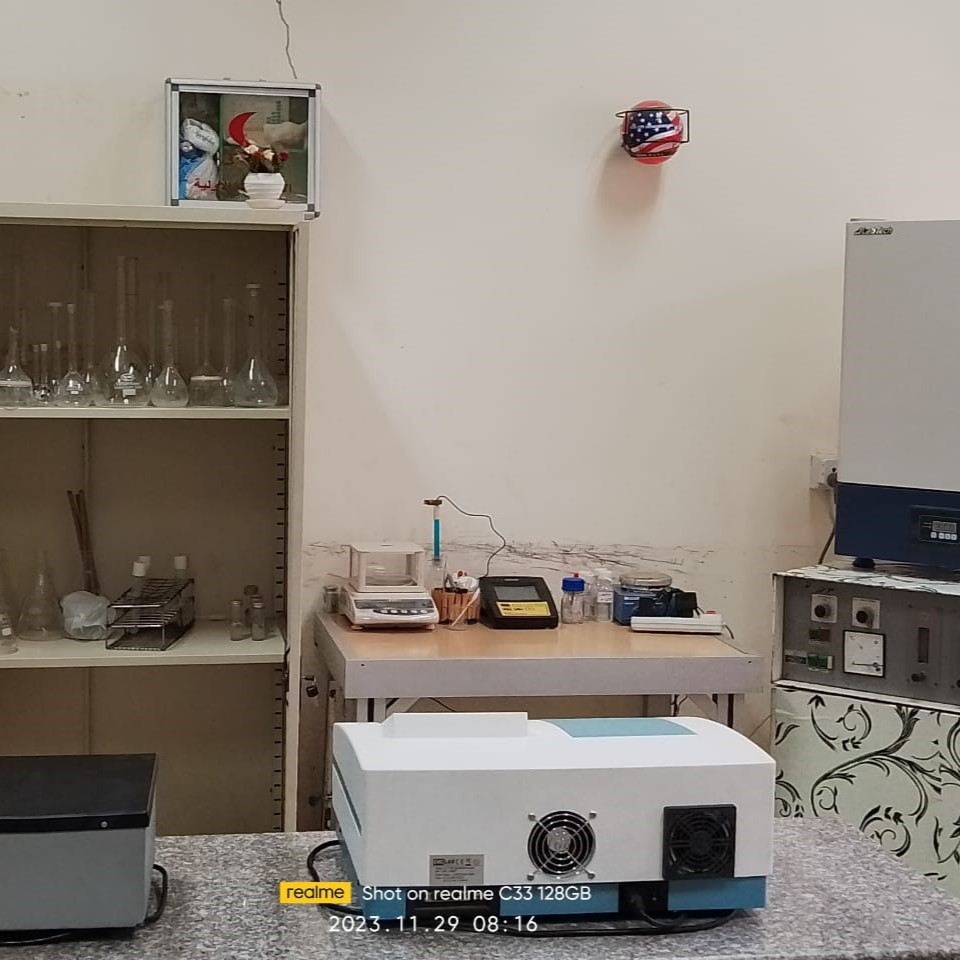
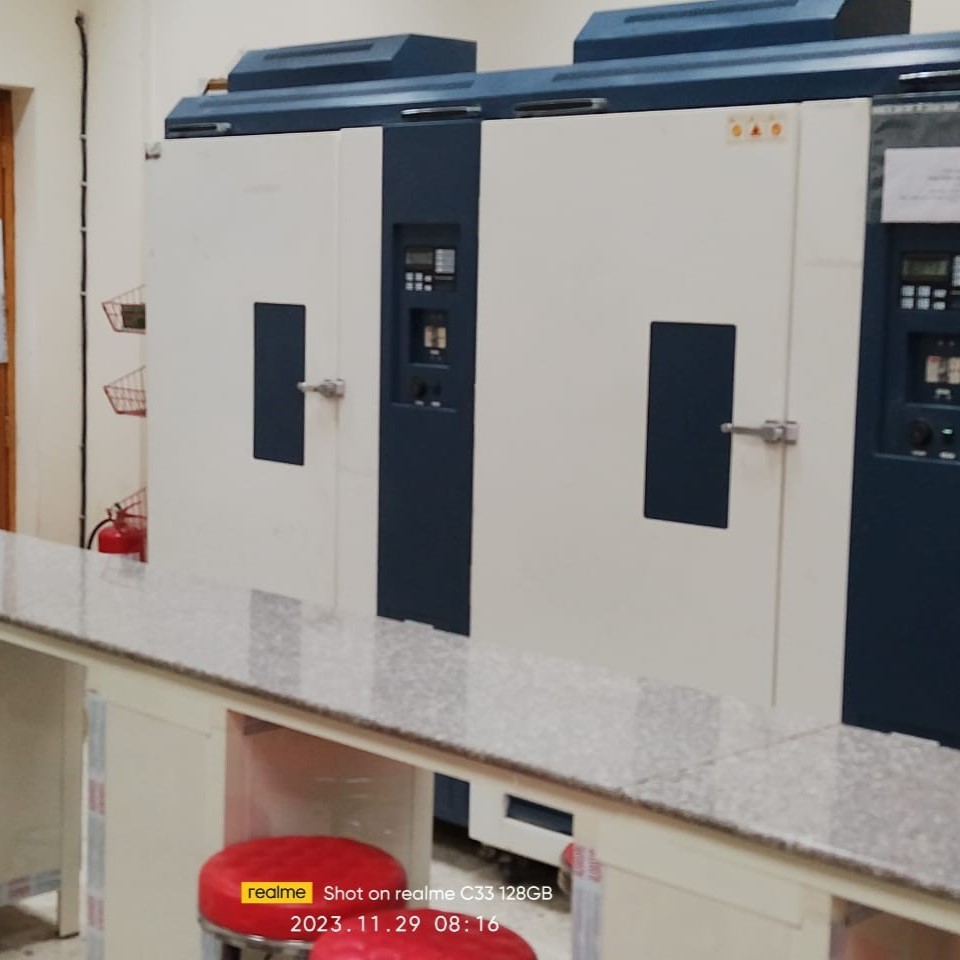
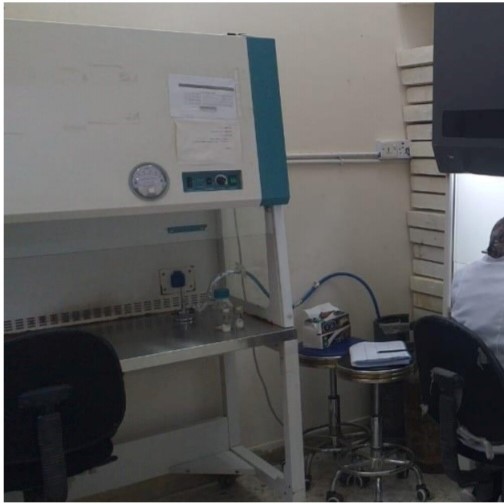
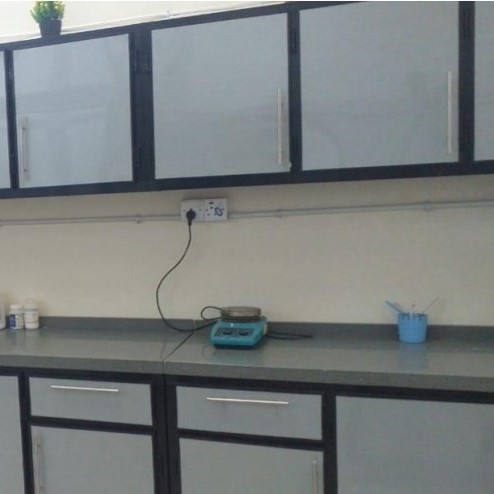
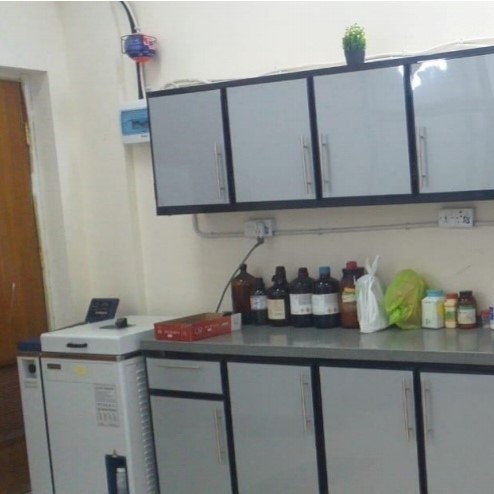
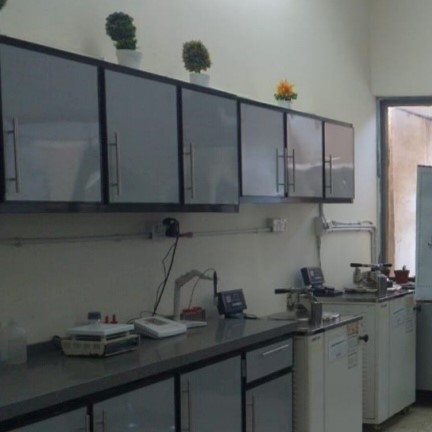
The laboratory of plant tissue culture is concerned with cultivating plant parts such as leaves, nodes, shoot tips, or any other part of the plant outside the living plant body for plant propagation and the production of active compounds and secondary metabolites. It aims to produce virus-free plants and enhance plant breeding and improvement through cultivating these parts in sterile agricultural environments and incubating them under controlled conditions of temperature, light, humidity, and sterilization. The laboratory is equipped with the necessary devices for postgraduate students to fulfill research requirements, including autoclaves, water distillation apparatus, hoods, sensitive digital balances, hot plates, magnetic stirrers, pH meters, and light microscopes.
The laboratory was established in 1963 to benefit postgraduate students.
Vision, Message, and Objectives of the Lab