The Role of the College in Sustainable Development
The College of Agricultural Engineering Sciences plays a significant role in promoting sustainable development. Most of its research activities focus on environmental protection and sustainability issues. In addition, the college offers approximately 64 academic courses that include more than 100 topics related to the environment and sustainable development.
The college also organizes exhibitions, seminars, workshops, and scientific activities that contribute to achieving the 17 Sustainable Development Goals (SDGs). Furthermore, it conducts various volunteer campaigns to support underprivileged groups and organizes visits to orphanages, elderly care centers, and cancer patients. The college also operates a platform known as the Food and Drug Channel, which is followed by thousands of people and serves as an effective means of public awareness and community outreach.
Moreover, the college actively participates in afforestation campaigns in schools, colleges, and universities. During the COVID-19 pandemic, it carried out volunteer initiatives to disinfect buildings within the college, the university, and local schools. The college has also developed future plans and programs that will be implemented in line with the Sustainable Development Goals.
The technological incubators affiliated with the college also play an important role in supporting sustainable development through several pioneering projects, including the Million Tree Project, the Mushroom Production Project, the Stevia Project, and the Medicinal Plants Production Project.
Climate Change
Climate change is a global challenge that knows no boundaries, and addressing it requires coordinated action by all countries. The primary driver of climate change is global warming, which has numerous adverse effects on physical, biological, and human systems. Global warming results from the greenhouse effect, a natural process through which the atmosphere retains part of the sun’s heat, allowing the Earth to maintain conditions suitable for life. Without the greenhouse effect, the average temperature of the planet would be approximately -18°C.
The problem arises because human activities have intensified the greenhouse effect, leading to a further increase in global temperatures. Among the major causes of global warming are the increase in greenhouse gas emissions, deforestation, destruction of marine ecosystems, and rapid population growth. Experts generally agree that the Industrial Revolution marked the turning point at which greenhouse gas emissions began to rise significantly. The Industrial Revolution itself was driven by a series of transformations in agriculture, technology, demographics, transportation, and finance, creating a new model of production and consumption.
The college’s active contribution to supporting sustainable development pathways is reflected through a package of scientific initiatives and practical solutions distributed across the United Nations Sustainable Development Goals, as outlined below:




Education represents the primary driver of social mobility and the most important means of escaping poverty. Despite global progress, millions of children remain out of school and lack basic competency standards. In this context, the College of Agricultural Engineering Sciences at the University of Baghdad is committed to disseminating knowledge through the provision of educational programs aimed at qualifying specialists and farmers in modern sustainable approaches such as smart agriculture and production intensification.
Furthermore, the College prepares competent graduates capable of advancing fieldwork with farmers, who are regarded as natural leaders in achieving food security in line with the vision of the Food and Agriculture Organization of the United Nations (FAO).

Gender equality is considered a fundamental principle for building a peaceful and sustainable world. Despite global progress in increasing girls’ education and reforming legislation, ongoing efforts are still required to achieve women’s empowerment at leadership levels. In this regard, the College of Agricultural Engineering Sciences at the University of Baghdad is committed to supporting women’s empowerment in the agricultural sector by providing equal educational and training opportunities that enhance women’s skills and competencies. This, in turn, contributes effectively to increasing their participation in rural development projects and in agricultural decision-making processes.
Access to safe drinking water has improved globally; however, nearly one-third of the world’s population still lacks reliable access to safe water supplies, with rural areas experiencing the most severe shortages. In response to these challenges, the College of Agricultural Engineering Sciences at the University of Baghdad directs its scientific research toward developing advanced solutions for water resource management in the agricultural sector. This is achieved by focusing on improving water-use efficiency, developing sustainable irrigation technologies, and providing scientific treatments and innovative approaches to address water scarcity and declining water quality. Through these efforts, the College contributes to enhancing the sustainability of agricultural water systems and supporting long-term environmental resilience.

The world is increasingly moving toward more sustainable and efficient energy systems, while achieving tangible improvements in energy efficiency and expanding access to electricity. In this context, the College of Agricultural Engineering Sciences at the University of Baghdad plays a prominent role in promoting renewable energy through research and development of energy production technologies and biofuels derived from agricultural residues and dedicated crops. This approach ensures the safe disposal of agricultural waste while providing clean energy for rural areas. In addition, the Department of Agricultural Machinery and Equipment contributes to the development of modern systems based on clean energy, such as solar-powered irrigation technologies and sustainable greenhouse systems, which help reduce production costs. The College also promotes awareness and training programs for students and farmers on the importance of these environmentally friendly applications.

Sustained economic growth is a key driver for creating decent employment opportunities and improving living standards, particularly in the aftermath of global crises that have threatened the livelihoods of millions of workers. In this context, the College of Agricultural Engineering Sciences at the University of Baghdad contributes to advancing economic development by supporting emerging agricultural projects and developing the skills of entrepreneurs to create new and sustainable job opportunities in rural areas. The College also focuses its scientific research on increasing agricultural productivity and diversifying farmers’ income sources, thereby directly enhancing the agricultural sector’s contribution to gross domestic product (GDP) and promoting overall economic stability.
The sustainable shift toward industrialization and innovation contributes to the creation of competitive economic forces that generate employment opportunities, increase income, and enable the efficient use of resources. In this context, the College of Agricultural Engineering Sciences at the University of Baghdad plays a leading role in promoting agricultural industrialization and innovation through the development of smart irrigation systems and precision agriculture technologies aimed at enhancing production efficiency and reducing waste. It also works on designing sustainable infrastructure solutions for rural transportation and storage systems to minimize post-harvest losses. Furthermore, the College supports the food processing sector by transforming agricultural products into value-added goods and collaborates with industrial institutions to develop energy- and water-efficient agricultural machinery. Its research also focuses on developing drought-resistant crop varieties and adopting environmentally friendly technologies that contribute to soil conservation and the protection of natural resources.

Reducing inequalities and ensuring that no one is left behind constitute a fundamental pillar for achieving the Sustainable Development Goals, particularly in light of the persistent developmental and economic gaps within societies. In this context, the College of Agricultural Engineering Sciences at the University of Baghdad actively contributes to narrowing these disparities by providing comprehensive support to rural communities and facilitating farmers’ access to resources and modern technical knowledge. This approach directly helps reduce the development gap between urban and rural areas and promotes justice and equal opportunities among different groups of farmers, thereby ensuring balanced rural development and more inclusive growth.
In the context of increasing global urbanization, cities contribute approximately 60% of global GDP, yet they are also responsible for around 70% of carbon emissions and resource consumption. In response to this challenge, the College of Agricultural Engineering Sciences at the University of Baghdad works to make human settlements more sustainable and resilient through promoting urban agriculture and encouraging the practice of rooftop, balcony, and home gardening. It also supports tree-planting campaigns aimed at improving food security and reducing urban pollution. Moreover, the College focuses its research on developing innovative technologies suitable for limited spaces, such as vertical and hydroponic farming systems that reduce land and water usage. It also organizes awareness programs to enhance environmental responsibility and reduce waste generation within urban areas.
Economic and social progress has been accompanied by environmental degradation that threatens the biological systems essential for human survival and future development. In this context, the College of Agricultural Engineering Sciences at the University of Baghdad strives to ensure sustainable consumption and production patterns through three main pillars. First, its research focuses on food preservation and storage technologies aimed at reducing waste and minimizing post-harvest losses during production, harvesting, and distribution stages. Second, the College provides integrated curricula that promote sustainable agricultural practices, such as organic farming and soil conservation, in order to reduce environmental impacts. Third, it develops scientific solutions for recycling agricultural waste and converting crop residues into organic fertilizers and useful products, thereby reducing pollution and improving resource management efficiency.

Atmospheric greenhouse gas concentrations, including carbon dioxide, have reached record levels, leading to unprecedented rises in global temperatures and creating an urgent need to address the climate crisis. In this context, the College of Agricultural Engineering Sciences at the University of Baghdad actively contributes to climate change adaptation by intensifying its scientific research to develop resilient agricultural systems and technologies capable of withstanding extreme climatic conditions. The College also promotes and disseminates sustainable agricultural practices that help reduce carbon emissions and mitigate the negative environmental impacts on the agricultural sector, thereby supporting long-term environmental sustainability and climate resilience.
Achieving the Sustainable Development Goals cannot be realized without strong global partnerships and cooperation built on shared values and a common vision that places people and the planet at the center of development priorities. In this context, the College of Agricultural Engineering Sciences at the University of Baghdad seeks to activate such inclusive partnerships through three main pathways. First, it strengthens scientific and research collaboration with local and international universities and research institutions to develop and apply sustainable agricultural practices. Second, it builds strategic partnerships with both public and private sectors to support small agricultural projects, enhance food security, and develop innovative solutions that increase productivity. Third, it actively participates in international conferences and workshops to exchange knowledge and expertise, facilitating the transfer and practical implementation of successful development experiences in the field.
Nature represents the fundamental basis of human survival, providing oxygen and food and regulating climate systems. However, human activities, which have altered approximately 75% of the Earth’s surface, are placing increasing pressure on biodiversity. In response to this challenge, the College of Agricultural Engineering Sciences at the University of Baghdad contributes to the protection of biodiversity and the improvement of sustainable land-use practices. This is achieved through research and the development of advanced agricultural methods that conserve soil and ecosystems, such as hydroponic farming, organic agriculture, and no-tillage systems. These approaches aim to restore ecological balance and protect natural resources from further degradation, thereby supporting long-term environmental sustainability.

Human rights place people at the center of development priorities, and their respect constitutes a fundamental pillar for ensuring stability, justice, and the preservation of human dignity within societies. In this context, the College of Agricultural Engineering Sciences at the University of Baghdad contributes to building peaceful and equitable communities through four main pillars. First, it promotes food security through its educational and research programs aimed at increasing agricultural production and ensuring its fair distribution, which helps reduce conflicts and enhances social stability. Second, it supports social and economic justice in rural areas by training and empowering smallholder farmers and marginalized groups, thereby contributing to poverty reduction. Third, the College promotes awareness of environmental rights and the right of individuals to live in a clean and sustainable environment. Finally, it focuses on building leadership and institutional capacities among students, while strengthening partnerships with governmental and non-governmental organizations to enhance good governance and sustainability within the agricultural sector.

Achieving the Sustainable Development Goals requires strong global partnerships and effective cooperation built on shared values and a unified vision that places people and the planet at the center of development priorities. In this context, the College of Agricultural Engineering Sciences at the University of Baghdad works to activate comprehensive partnerships through three main pathways. First, it enhances scientific and research collaboration with local and international universities and research institutions to develop and implement sustainable agricultural practices. Second, it establishes strategic partnerships with the public and private sectors to support small agricultural projects, strengthen food security, and develop innovative solutions that improve productivity. Third, it actively participates in international conferences and workshops to exchange knowledge and expertise, facilitating the transfer and practical application of successful development experiences in the field.
University policy on environment and sustainability
environment and sustainability and responds to changes in global standards and requirements by adopting a flexible policy that is regularly updated and adapted accordingly. Recognizing its responsibility for the environmental impacts resulting from its activities and its commitment to providing a better environment for future generations, the University has established specific objectives aimed at regulating procedures to protect the environment, reduce the negative impacts of its activities, and create a campus environment that is environmentally friendly and aligned with established standards.
The policy adopted by the University to improve the campus environment includes the analysis of strengths and weaknesses within the university environment according to the above-mentioned axes, in order to measure progress and compare developments. The year (2017) has been adopted as a baseline for measuring achievement rates and potential challenges, as data from that year required documentation of the procedures implemented by the University across most of the relevant axes. This necessitated the implementation of real and practical actions by the University administration, faculty members, staff, and students.
The integration of these efforts contributes to the sustainability of the University’s environmental resources, its alignment with modern developments, and the enhancement of environmental awareness within the university community. This also requires the establishment of an accurate database covering all environmental and sustainability-related indicators of the University.
For further information on the strategic plans and broader environmental objectives adopted by the University, please visit the following link:
📍 [Click here to view the University of Baghdad Environmental and Sustainability Policy]
Environment and Sustainability News

Agricultural Sciences Journal editorial board meeting.
In the presence of the Dean of the College of Agricultural Engineering Sciences, Professor Dr. Amira Mohammed Saleh, and the …

Faculty participation as a lecturer in an external training course.
Professor Dr. Ilham Ismail Al-Shammari, a faculty member at the College of Agricultural Engineering Sciences – University of Baghdad, participated …
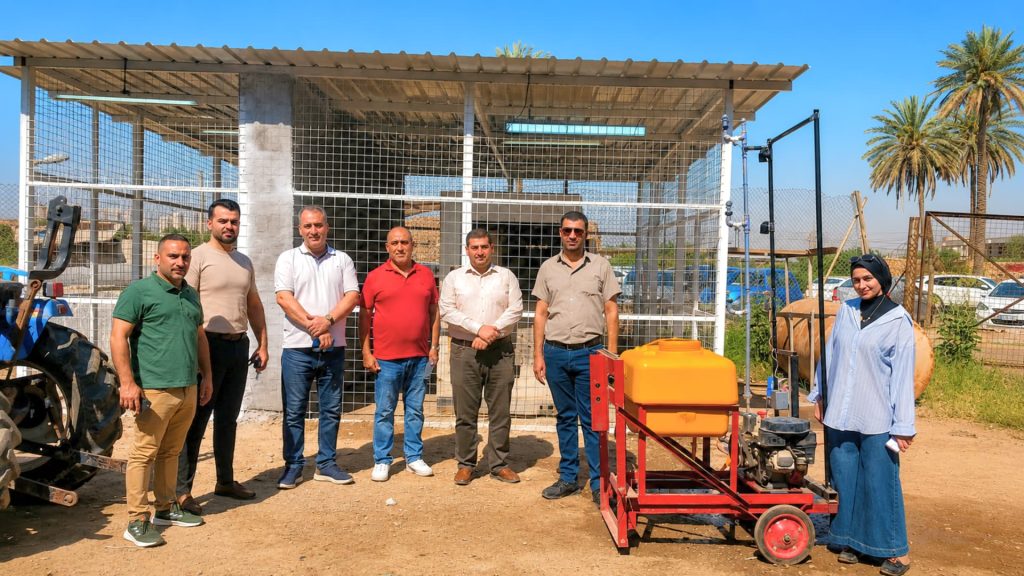
Field Visit to an M.Sc. Research Experiment
A committee composed of several faculty members from the Department of Agricultural Machines and Equipment, assigned by the Head of …
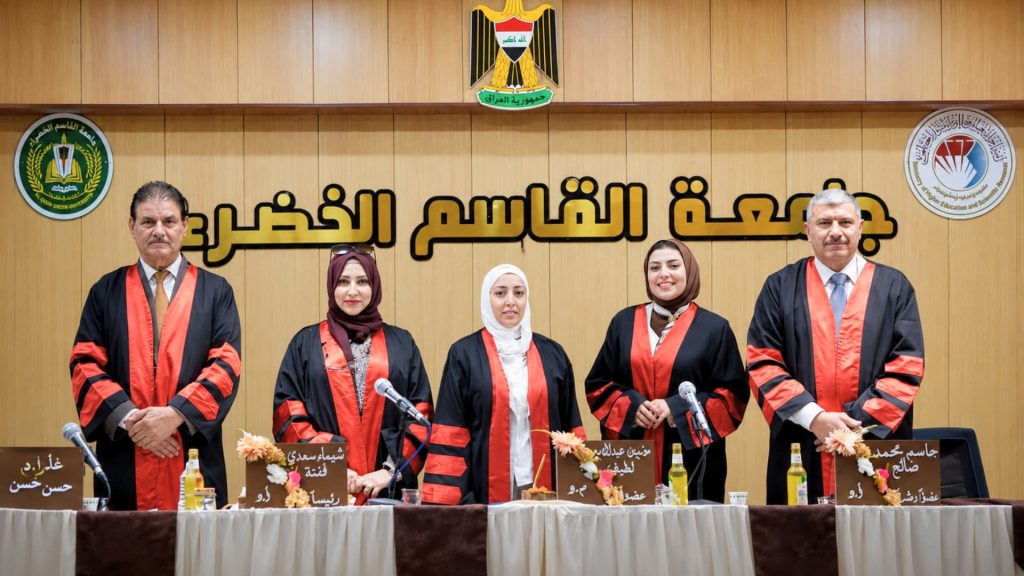
Faculty Member Participates in an External Defense Committee
Dr. Shaimaa Saadi Lafta, Professor at the Department of Food Science, College of Agricultural Engineering Sciences, participated as the Chair …
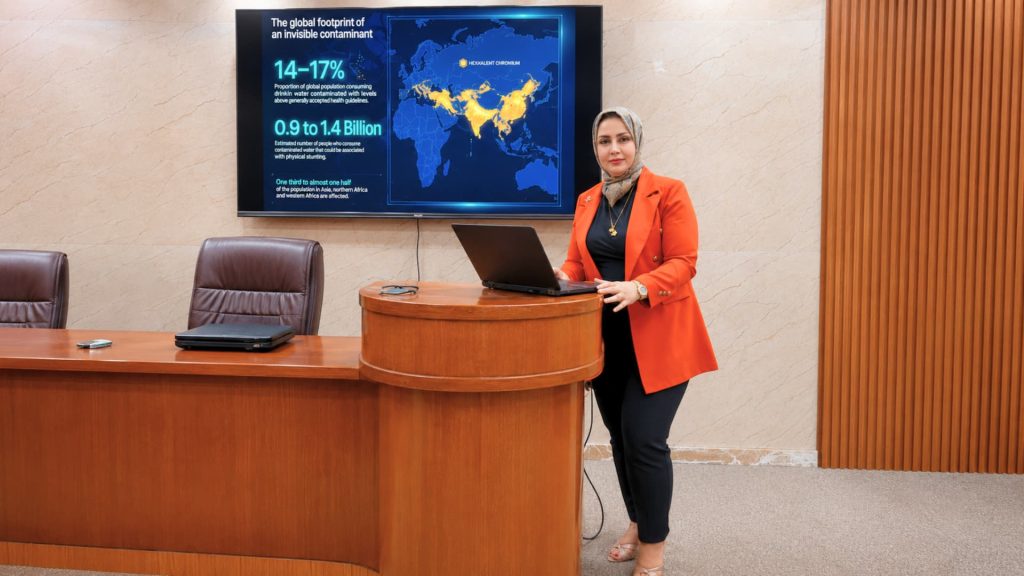
Training Course on Heavy Metal Risks in Foods
The Department of Food Sciences, in cooperation with the Continuing Education Unit, organized a training course entitled “The Risks of …
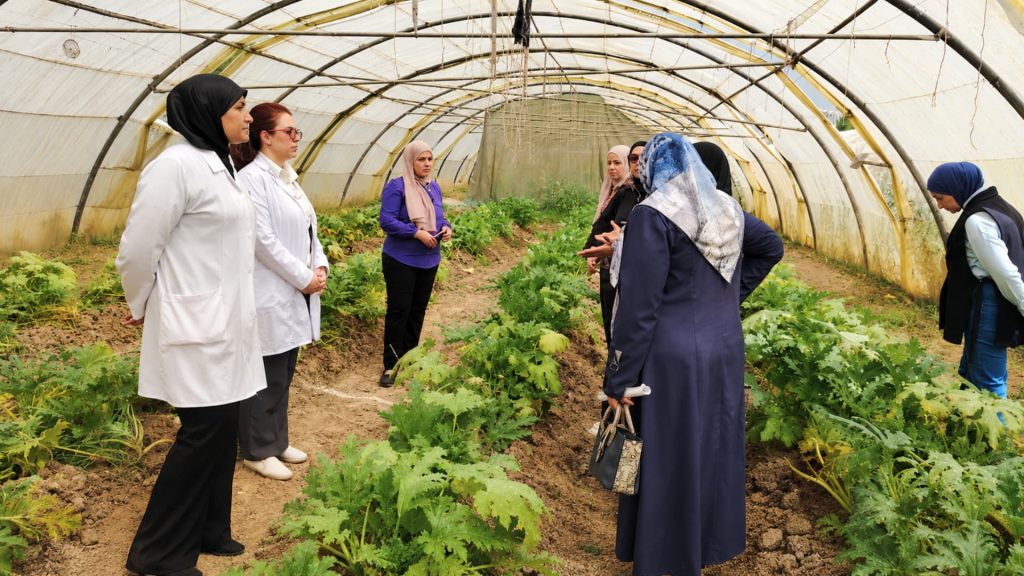
Field Evaluation of a Master’s Research on Hippodamia variegata
A committee composed of several faculty members from the Department of Plant Protection, assigned by the Head of the Department, …
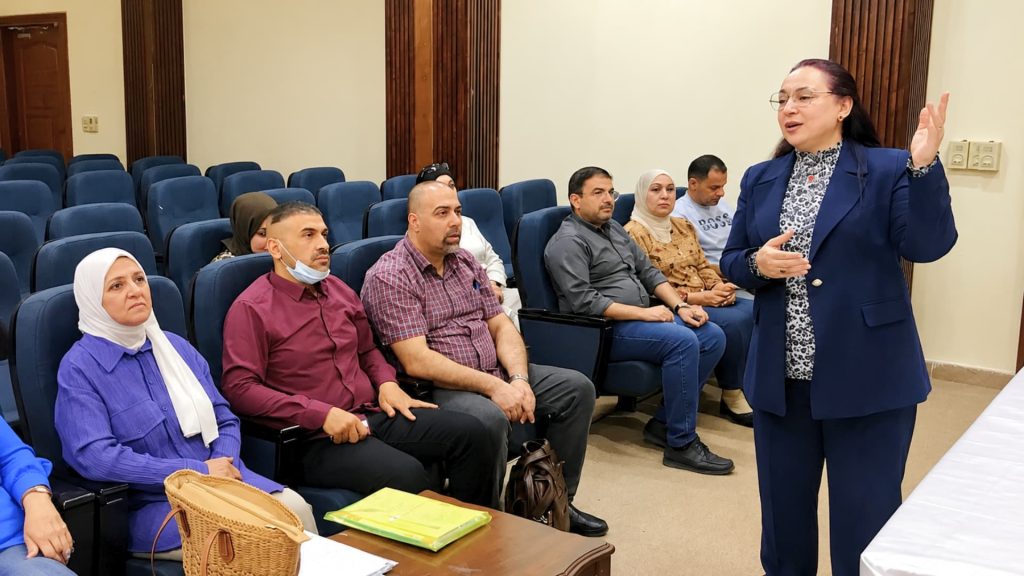
Workshop on Cosmetic Procedures and Their Types
The Department of Food Sciences, in cooperation with the Continuing Education Unit and the Women’s Affairs Unit of the University …
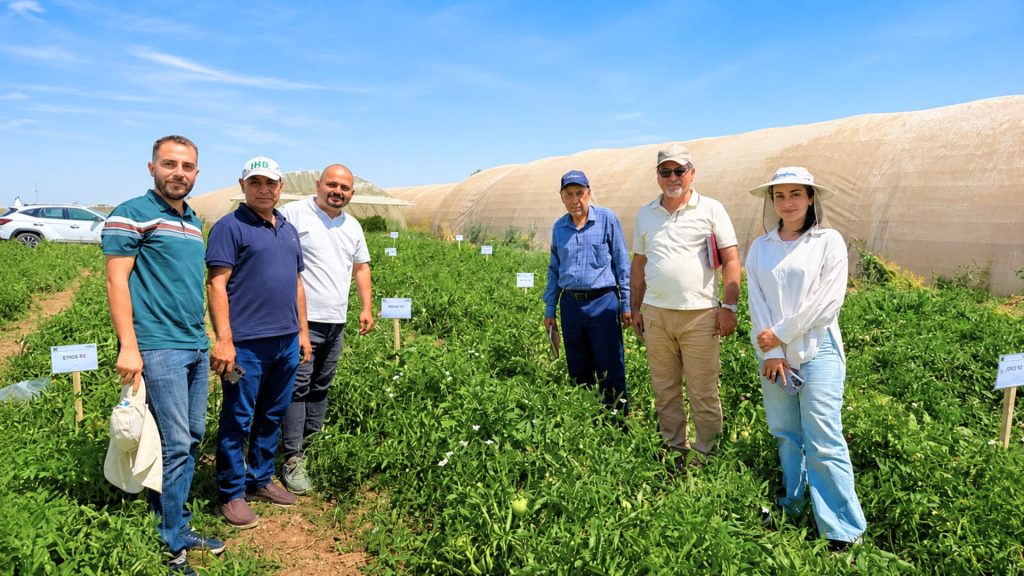
Faculty Member Participates in Tomato Hybrid Accreditation Team
Within the framework of scientific cooperation between the Ministry of Higher Education and Scientific Research and the Ministry of Agriculture, …
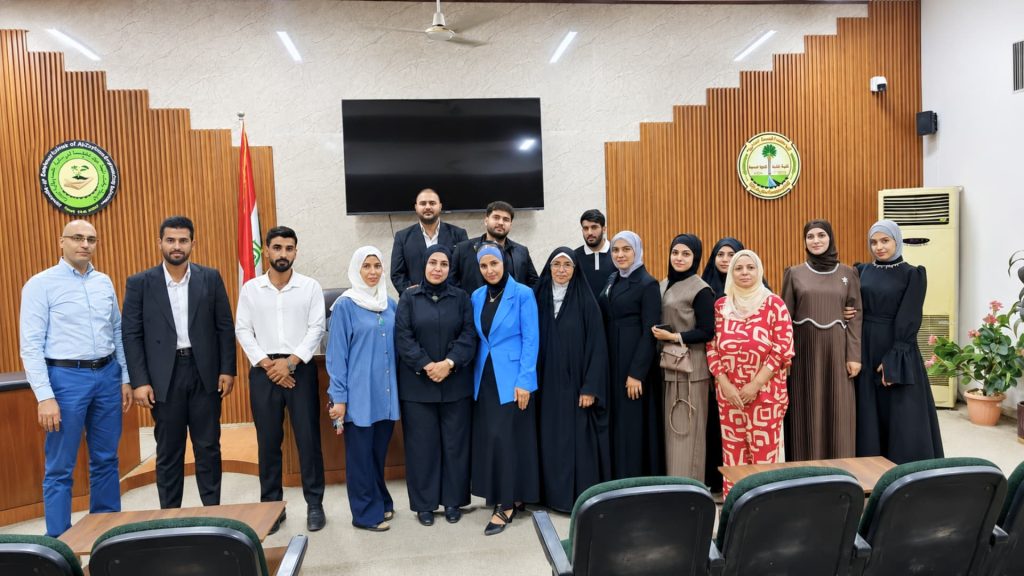
Final-Year Research Projects
In line with the Sustainable Development Goal of Quality Education, the College of Agricultural Engineering Sciences hosted the presentation and …
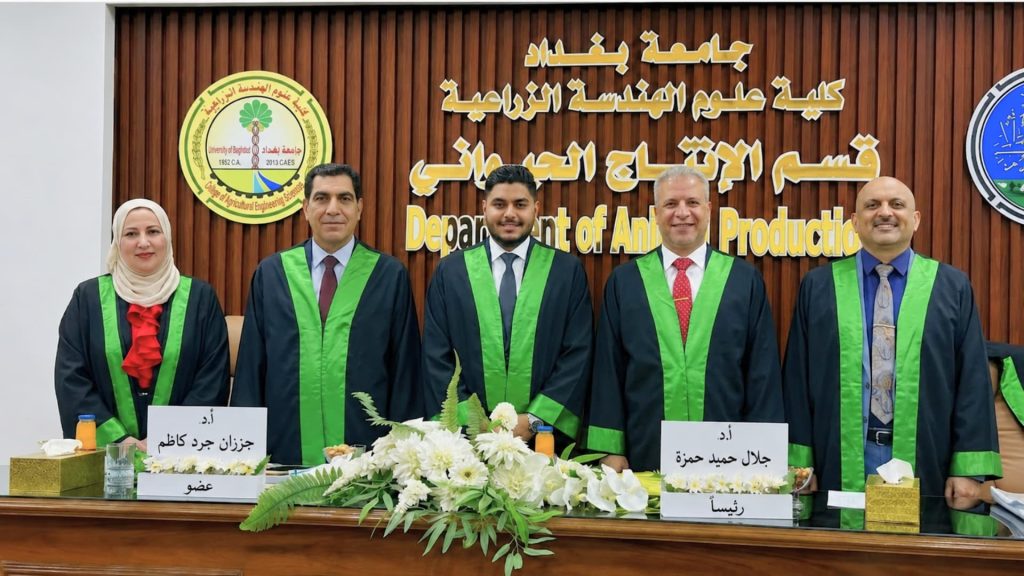
MSc. defense- Anas Hassan Jabbar
Anas Hassan Jabbar from Department of Field Crop Sciences successfully defended his Ph.D. work with the title ” Effect of …