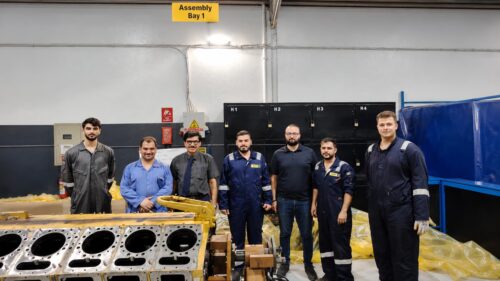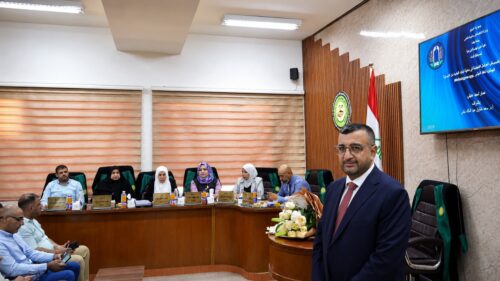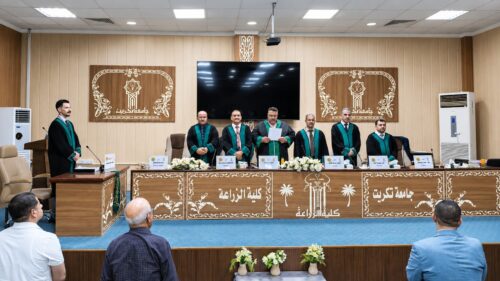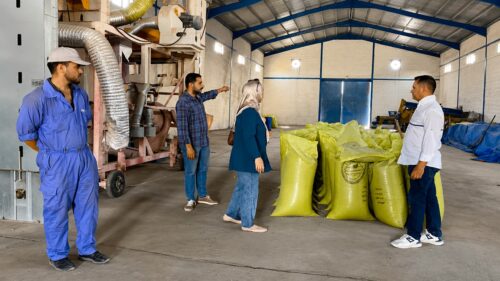
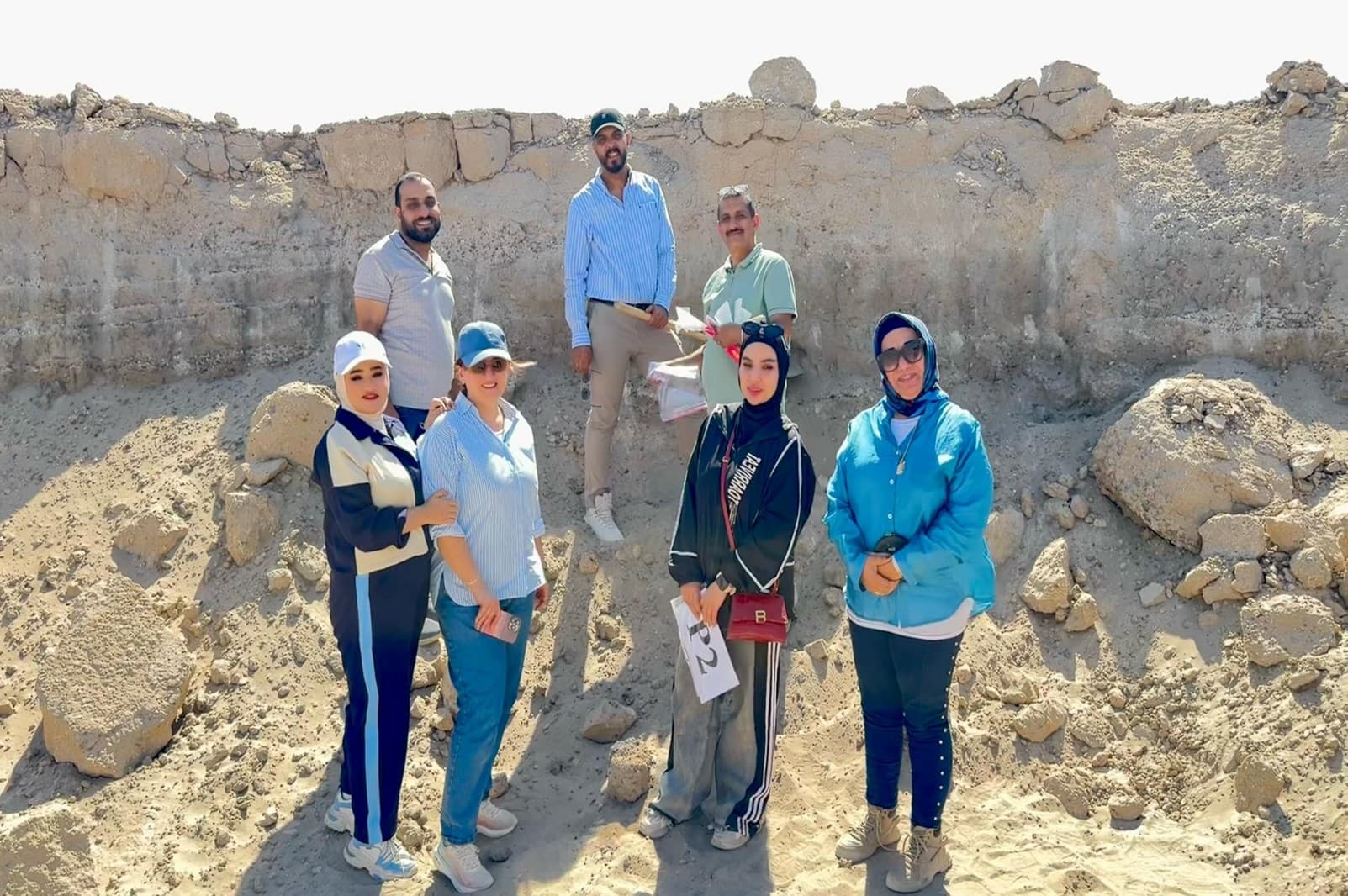
Under the supervision of Assistant Professor Dr. Afaq Ibrahim Jumaa, Head of the Department of Desertification Control at the College of Agricultural Engineering Sciences, University of Baghdad, a field visit was conducted on Thursday, October 2, 2025, to the experimental site of Master’s student Rania Shaker Salim, as part of her research titled: “Assessment of Physical, Chemical, and Fertility Degradation in Some Soils of Al-Karma District, Al-Anbar Governorate Using Geomatics Techniques.”
The visit aimed to collect field samples, observe the experimental progress directly, and monitor its research procedures, in line with the department’s plans to support graduate students. This initiative is part of leveraging remote sensing and Geographic Information Systems (GIS) technologies to study the physical, chemical, and fertility degradation in soils, considered among the most important indicators related to desertification and declining agricultural productivity.
This visit reflects the College’s commitment to following up on its students’ academic journey and providing the necessary academic and practical support to achieve rigorous research that contributes to addressing environmental and agricultural degradation in Iraq.
____________________________________