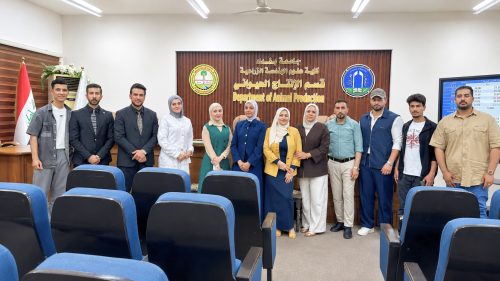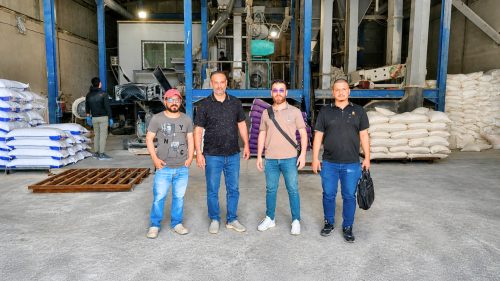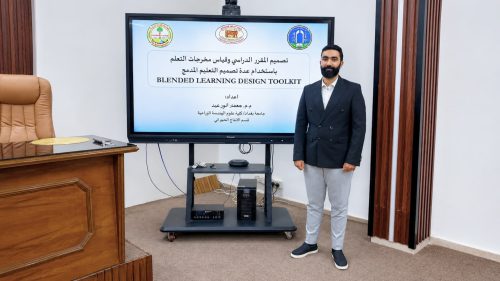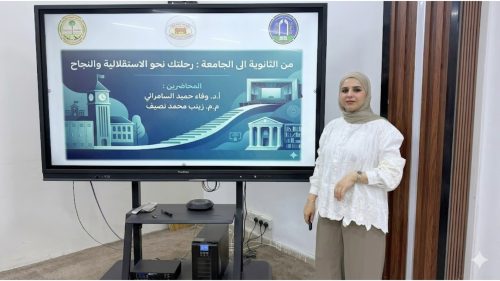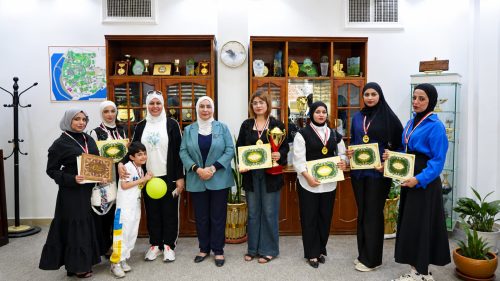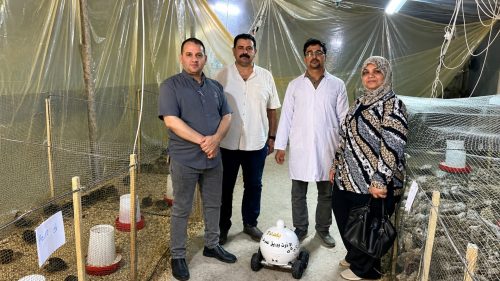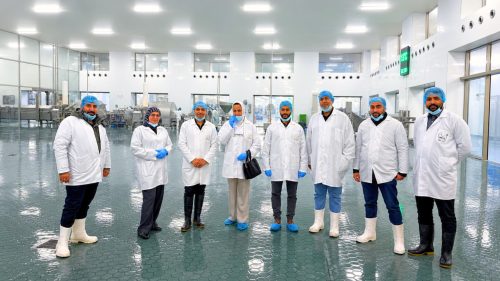
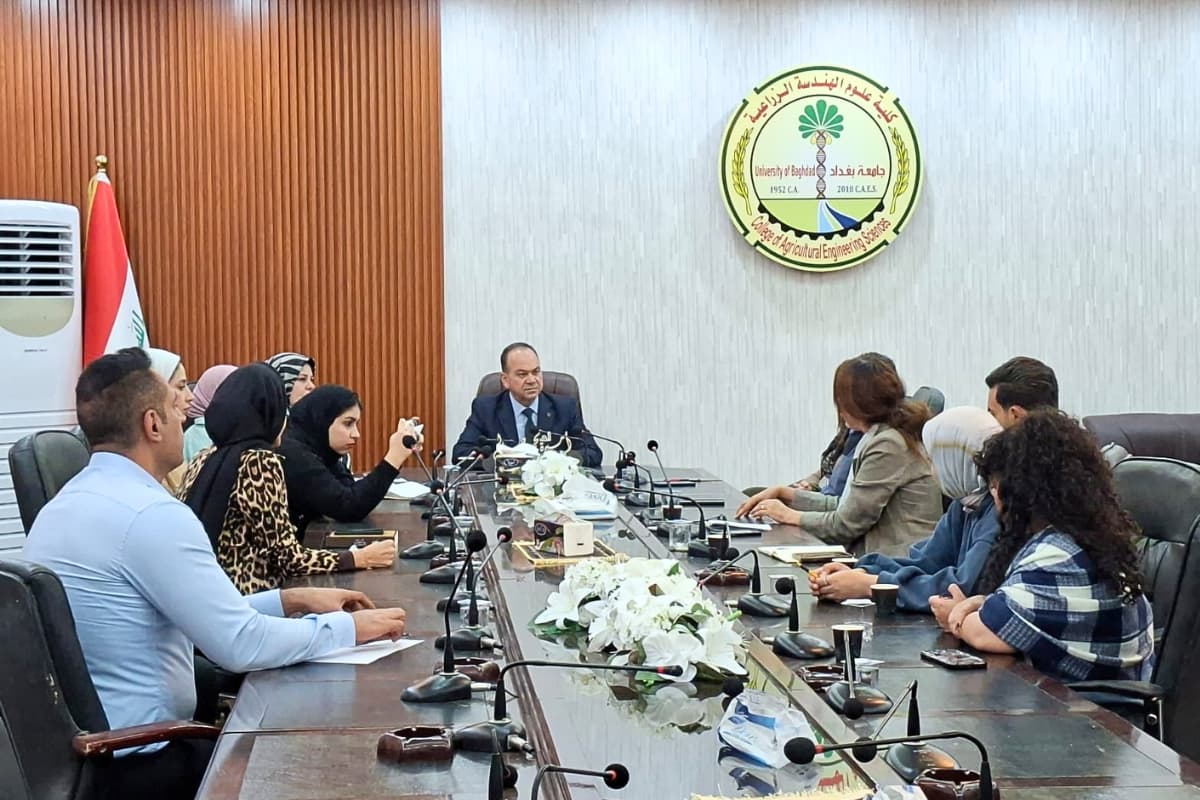
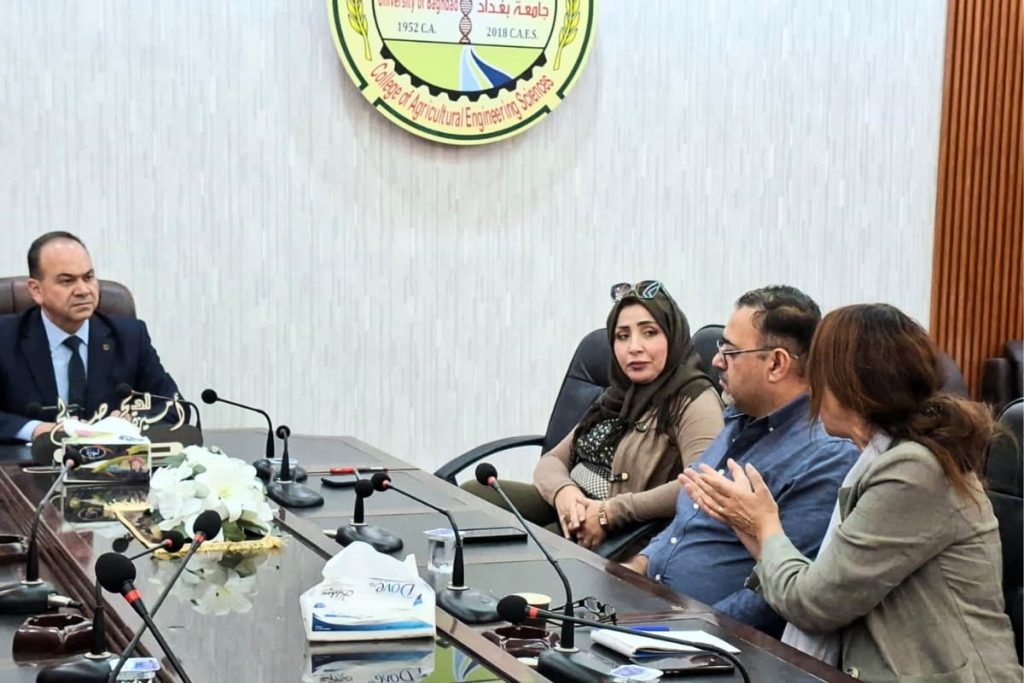
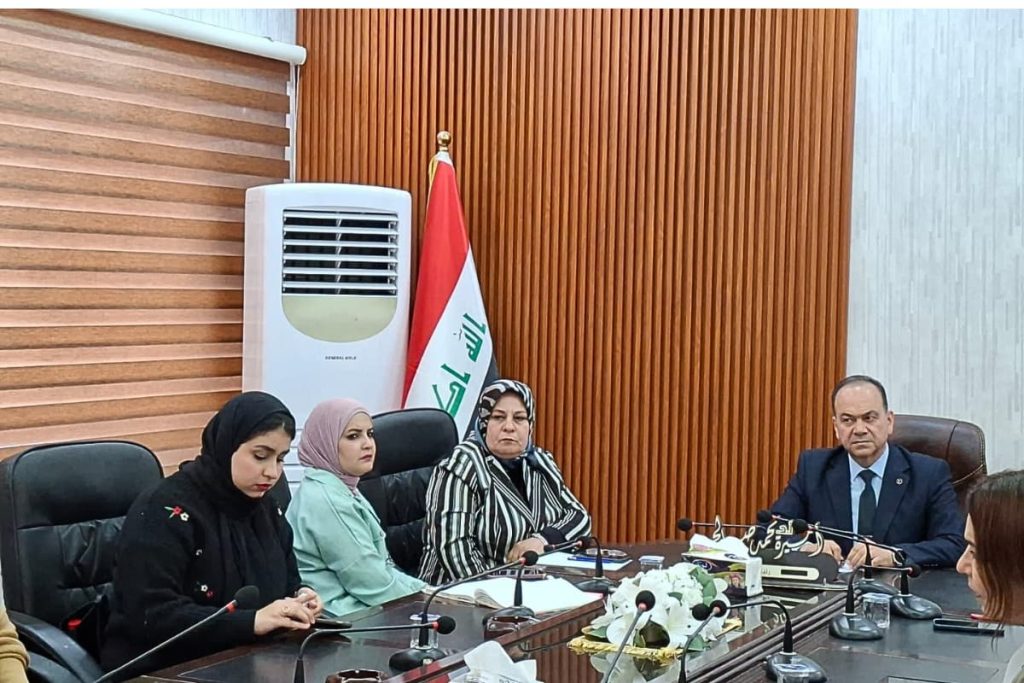
A delegation from the College of Media at the University of Baghdad, headed by Dr. Irada Zaidan and Mr. Omar Faez, along with a group of fourth-year media students, visited the College of Agricultural Engineering Sciences. The visit supports the Sustainable Development Goals related to sustainable cities and communities, partnerships for achieving environmental objectives, and innovations that contribute to environmental protection. Discussions focused on the project of waste recycling and its sustainable utilization, as well as identifying obstacles and exploring solutions to ensure its successful implementation.
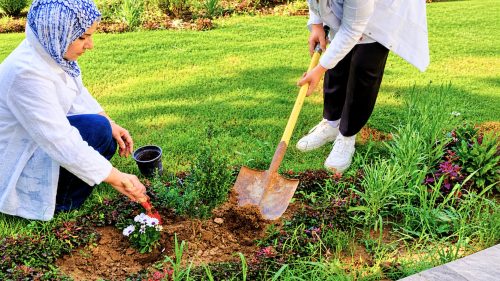
The central theme of the meeting was the dual-component waste recycling project—plastic recycling and the production of organic fertilizers from tree leaf waste. The delegation was welcomed by Dr. Osama Kazem Jabara, Associate Dean for Student Affairs, Dr. Sinan Samir, Head of the Quality Assurance Division, and the division’s staff.
The participants emphasized the importance of the College of Agricultural Engineering Sciences serving as a key partner in the project alongside other university units, given its capacity to provide practical, real-world outcomes that support waste reduction and its investment in innovative, productive, and sustainable initiatives.
Media and Government Communication Division
You May Also Like