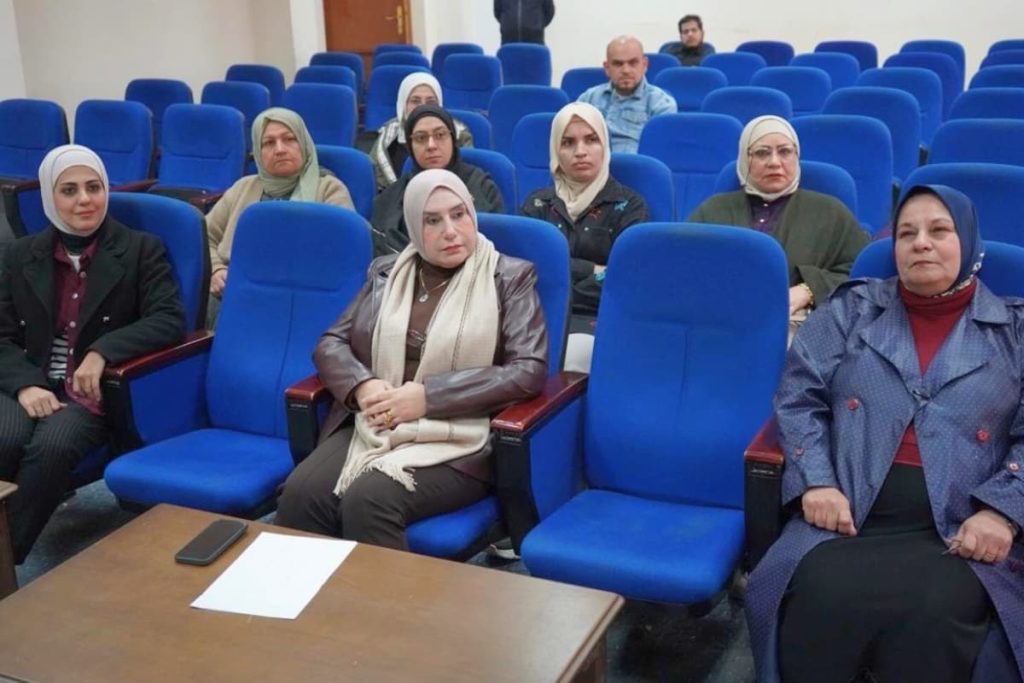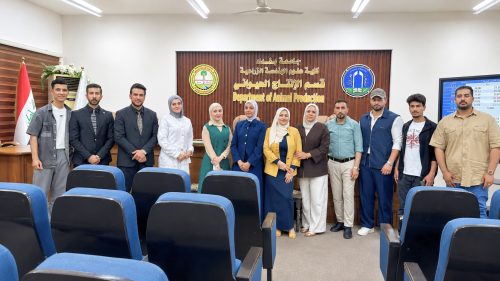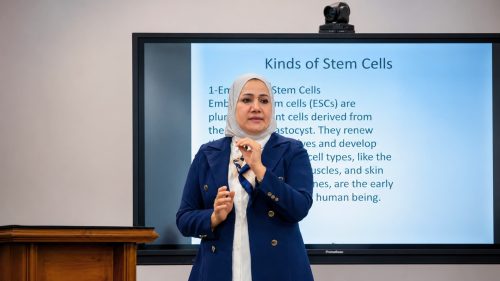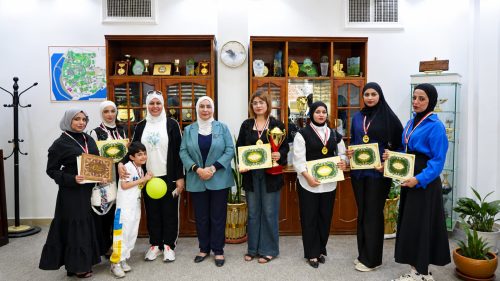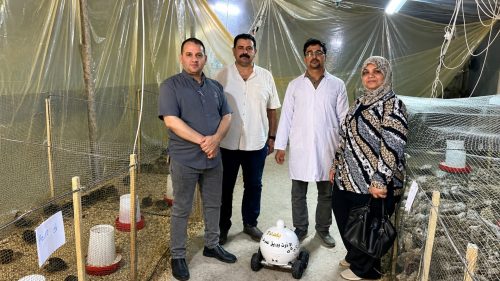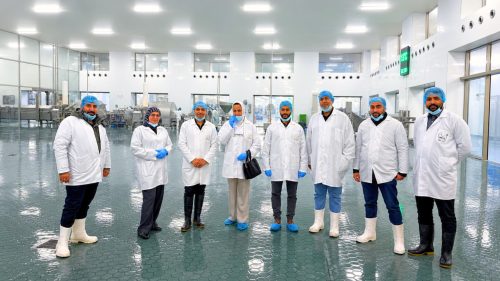
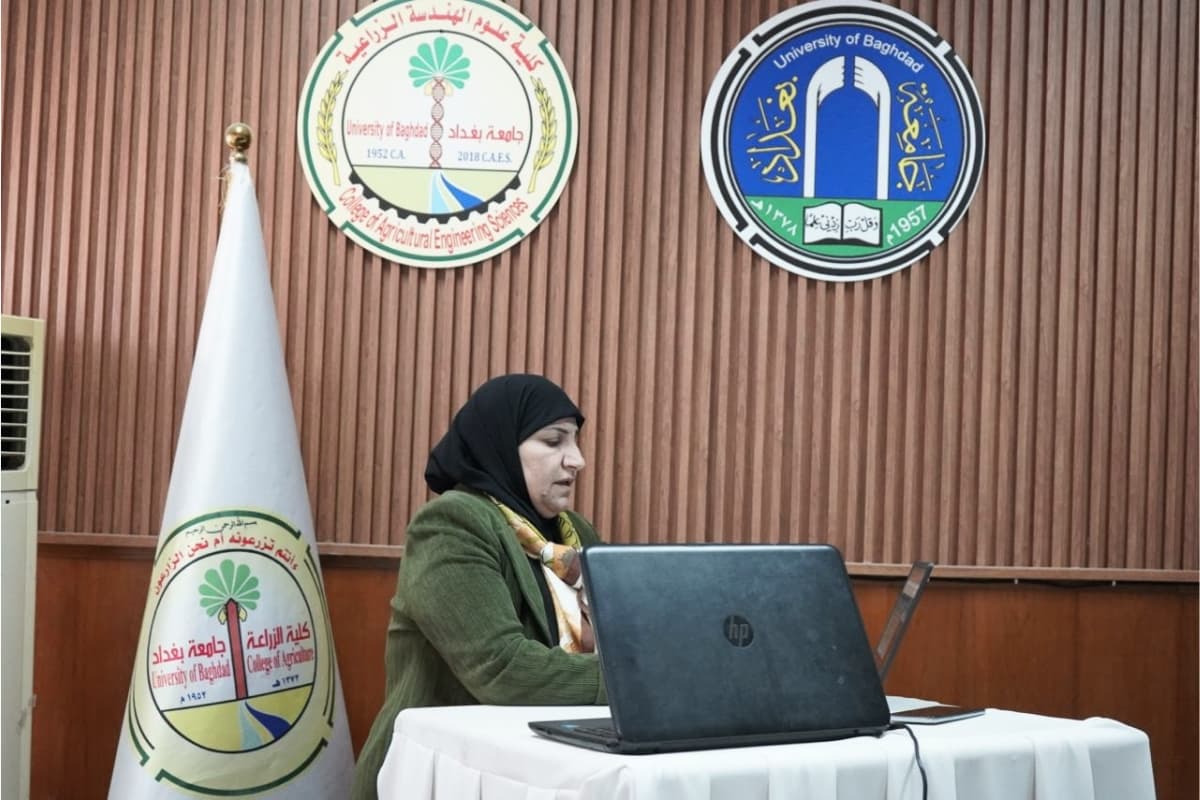
The Department of Food Science, in collaboration with the Department of Animal Production and the Continuing Education Unit at the College of Agricultural Engineering Sciences, organized a workshop entitled “Recent Developments in the Food Industry: Cheese Analogues and Cultivated Meat as a Model.” The workshop was held in the presence of the Dean of the College, Professor Dr. Ameera Mohammed Saleh, along with a number of faculty members and staff.
The event was organized in alignment with the United Nations Sustainable Development Goals, particularly Goal 3: Good Health and Well-Being, and Goal 12: Responsible Consumption and Production.
The workshop reviewed the historical background of producing food analogues, the technologies used in their manufacture, and the major challenges facing this industry. It also highlighted the key factors contributing to the emergence of these products, including their role in mitigating environmental pollution and providing alternatives that closely mimic conventional products in terms of quality and sensory attributes. In addition, the workshop addressed the rapid annual growth of the global market for cheese analogues.