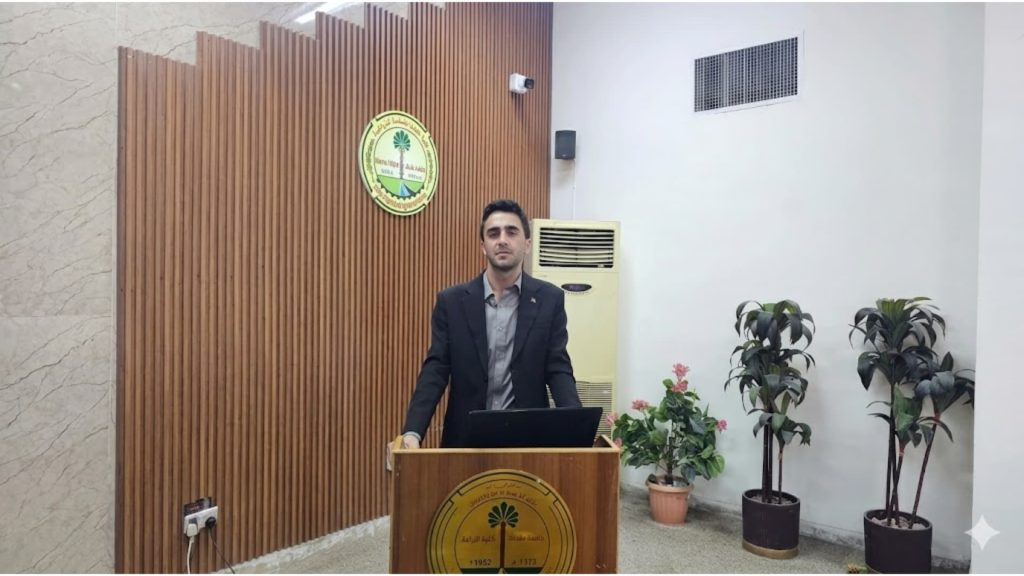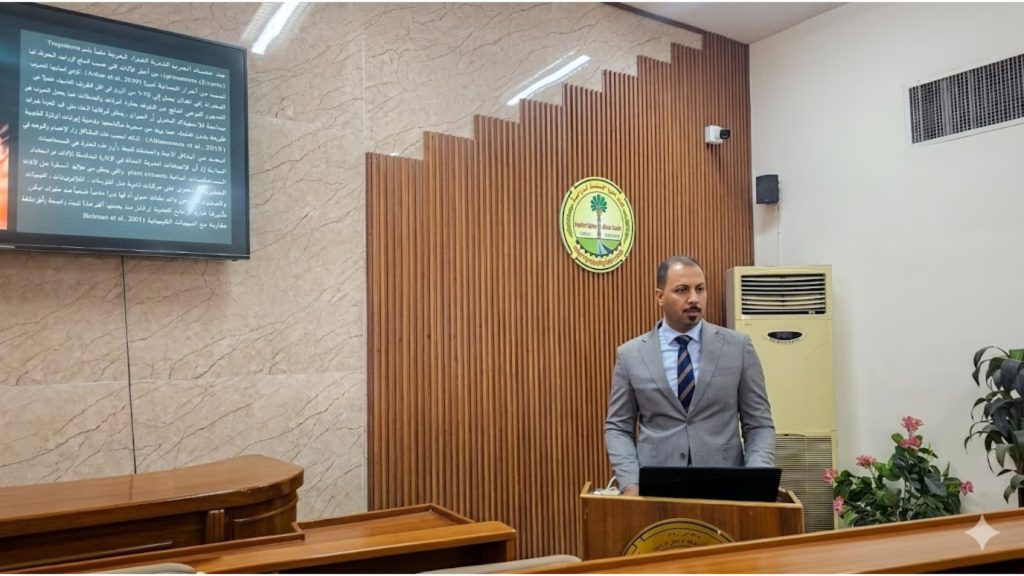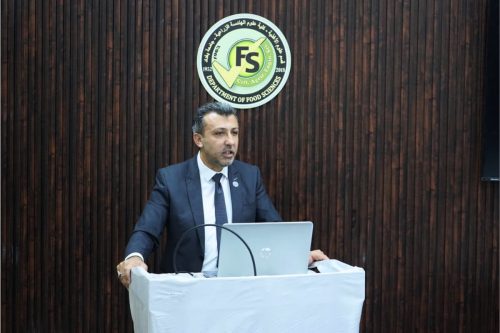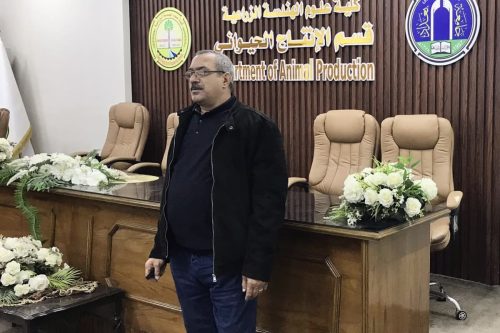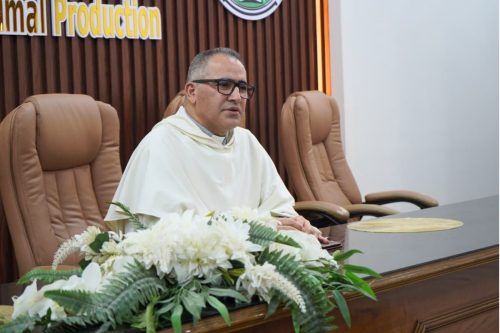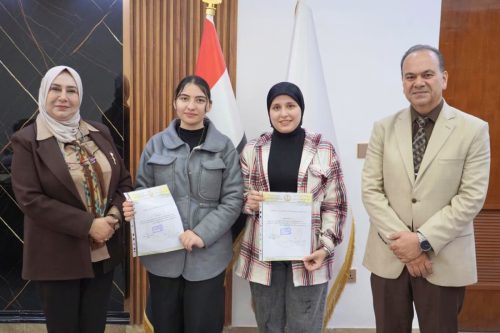
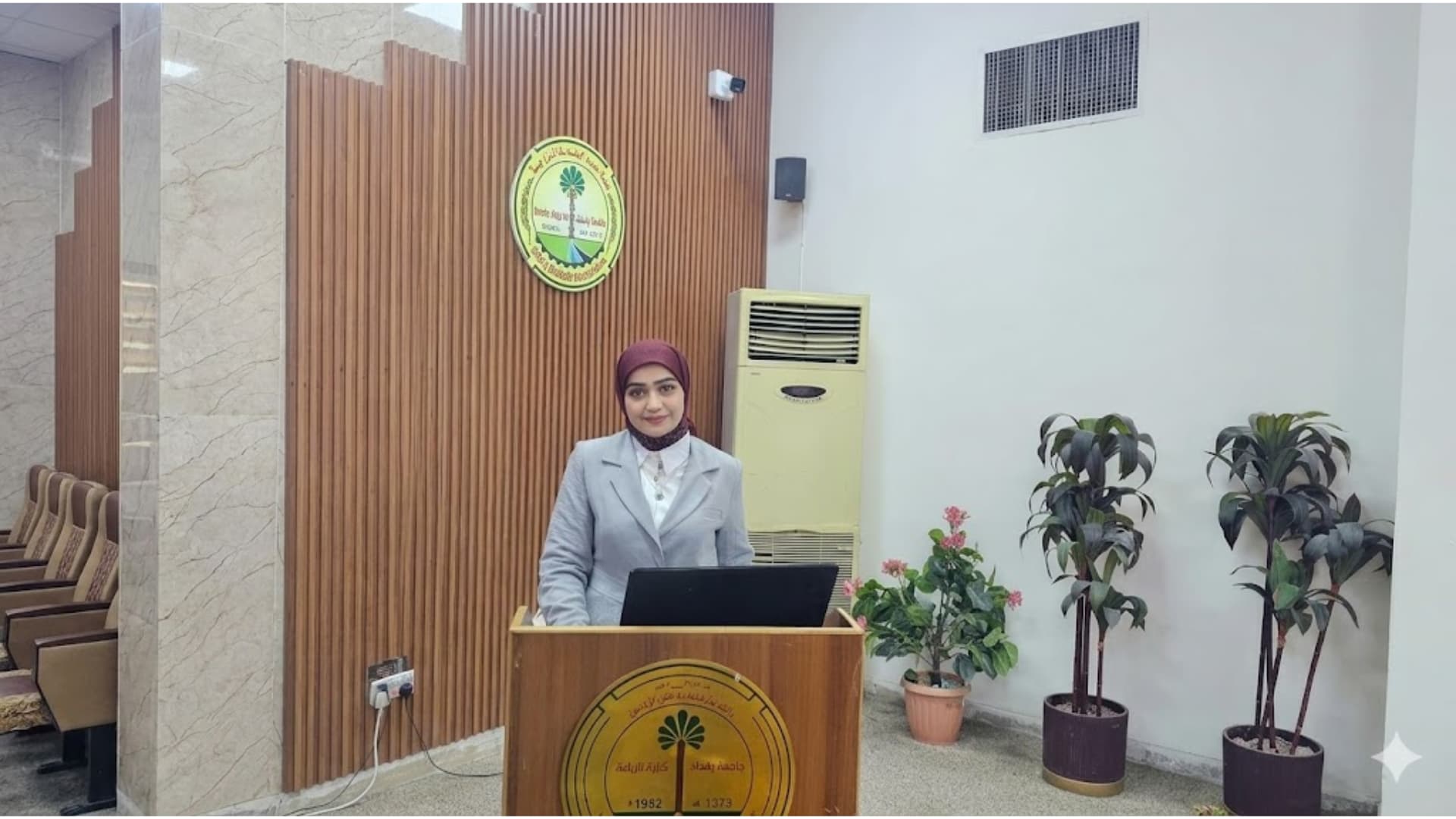
The Department of Plant Protection at the College of Agricultural Engineering Sciences, University of Baghdad, organized a scientific session as part of its cultural season and in alignment with Sustainable Development Goals, particularly quality education.
The session included the discussion of three MSc research proposals:
- First proposal, presented by Mohammed Hussein Ali, focused on the impact of certain herbicides on cucumber infestation by sap-sucking insects, along with the assessment of pesticide residues in leaves, fruits, and soil. The study emphasized sustainable agriculture and integrated crop management to reduce environmental pollution.
- Second proposal, presented by Mohammed Jabbar, investigated enhancing the efficacy of plant extracts through biological and non-biological methods and their effect on the khapra beetle, aiming to develop eco-friendly pest control solutions for seed protection.
- Third proposal, presented by Rund Mohammed Hussein, examined the chemical and biological evaluation of black seed extracts in suppressing root-knot nematodes and protecting cucumber plants, supporting environmentally sustainable pest management.
The session featured active scientific discussions attended by faculty members and postgraduate students.