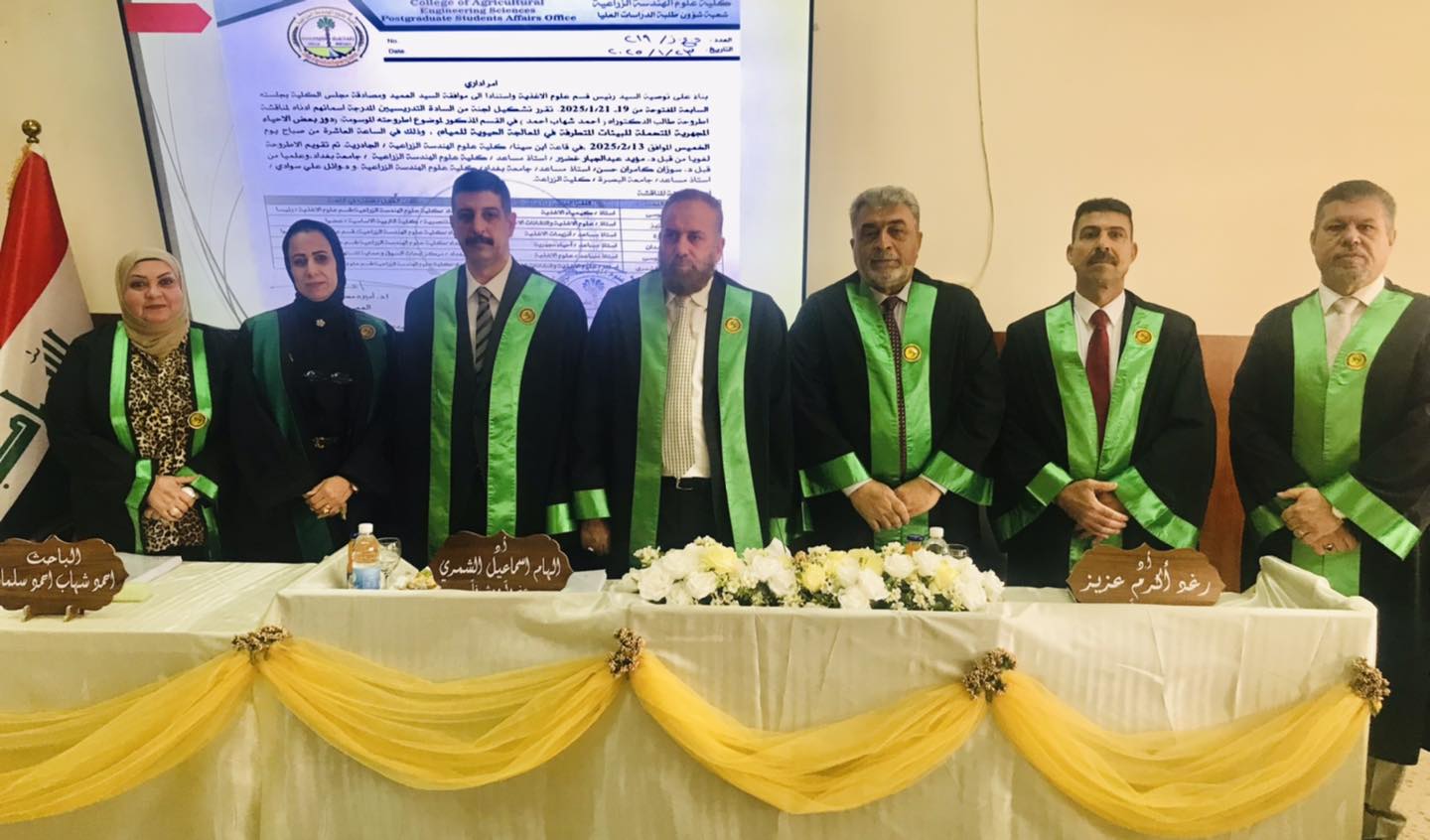
Ahmed Shihab Ahmed from Department of Department of Food Sciences defended his PhD work with the title (“The role of certain extremophilic microorganisms in the bioremediation of water.”
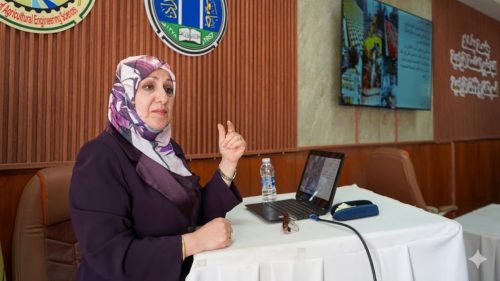
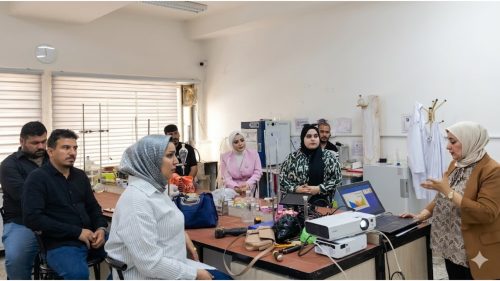
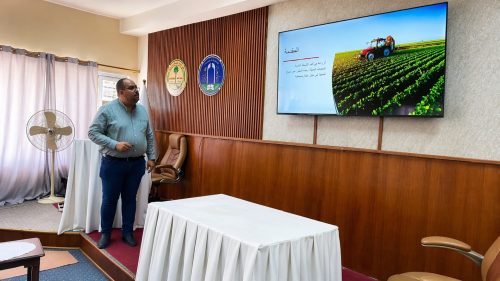
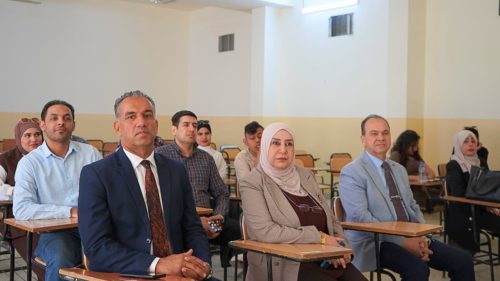
The College of Agricultural Engineering Sciences, University of Baghdad, witnessed the discussion of the doctoral thesis entitled (The role of some microorganisms tolerant to extreme environments in the biological treatment of water), for the student Ahmed Shihab Ahmed from the Department of Food Sciences.
- The researcher explained the isolation and diagnosis of bacterial strains tolerant to high salinity from different local environments, in addition to studying some characteristics of the isolated and diagnosed bacterial strains at the molecular level, such as their tolerance to growth at different salt concentrations and their tolerance to growth at a wide range of temperatures.
- The thesis recommended the isolation of other bacterial strains from multiple extreme environments and benefiting from their unique properties that distinguish them from other microorganisms, in addition to studying the symbiotic relationships between different types of microorganisms and other types of living organisms in treating various environmental problems, including treating water salinity.
Congratulations to the researcher on this success.