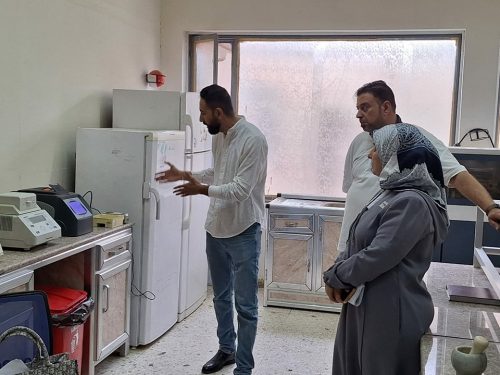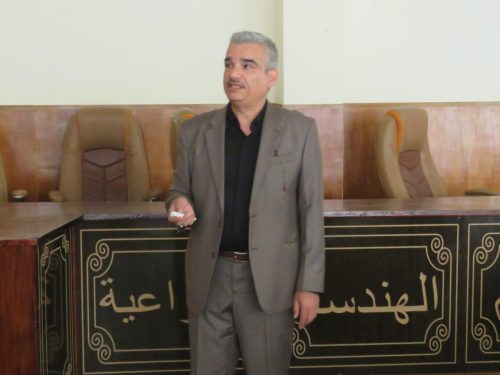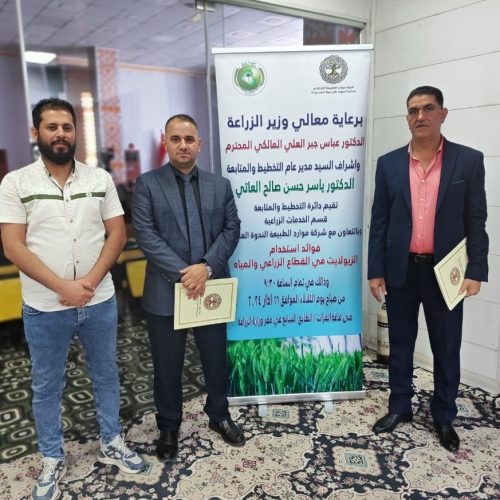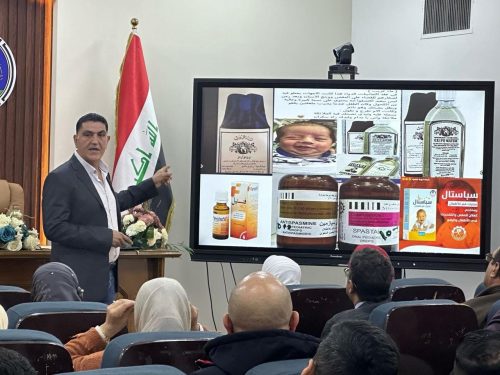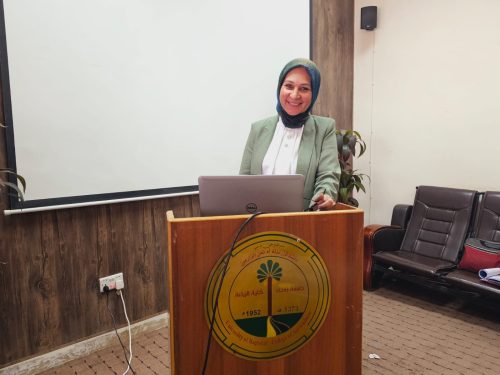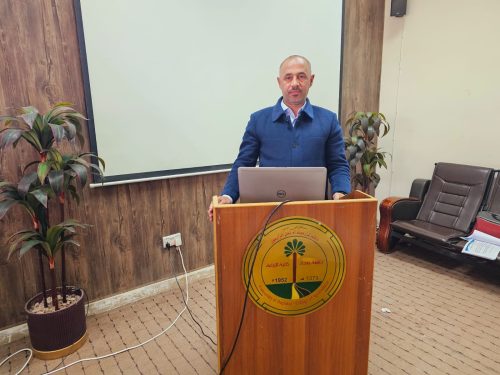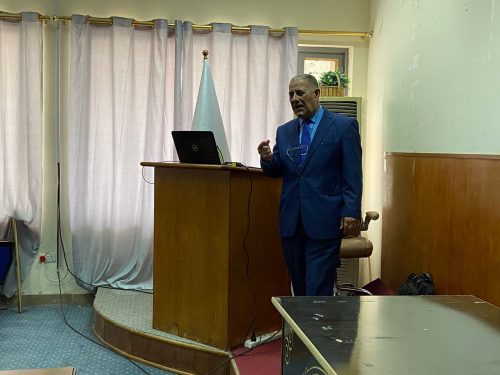
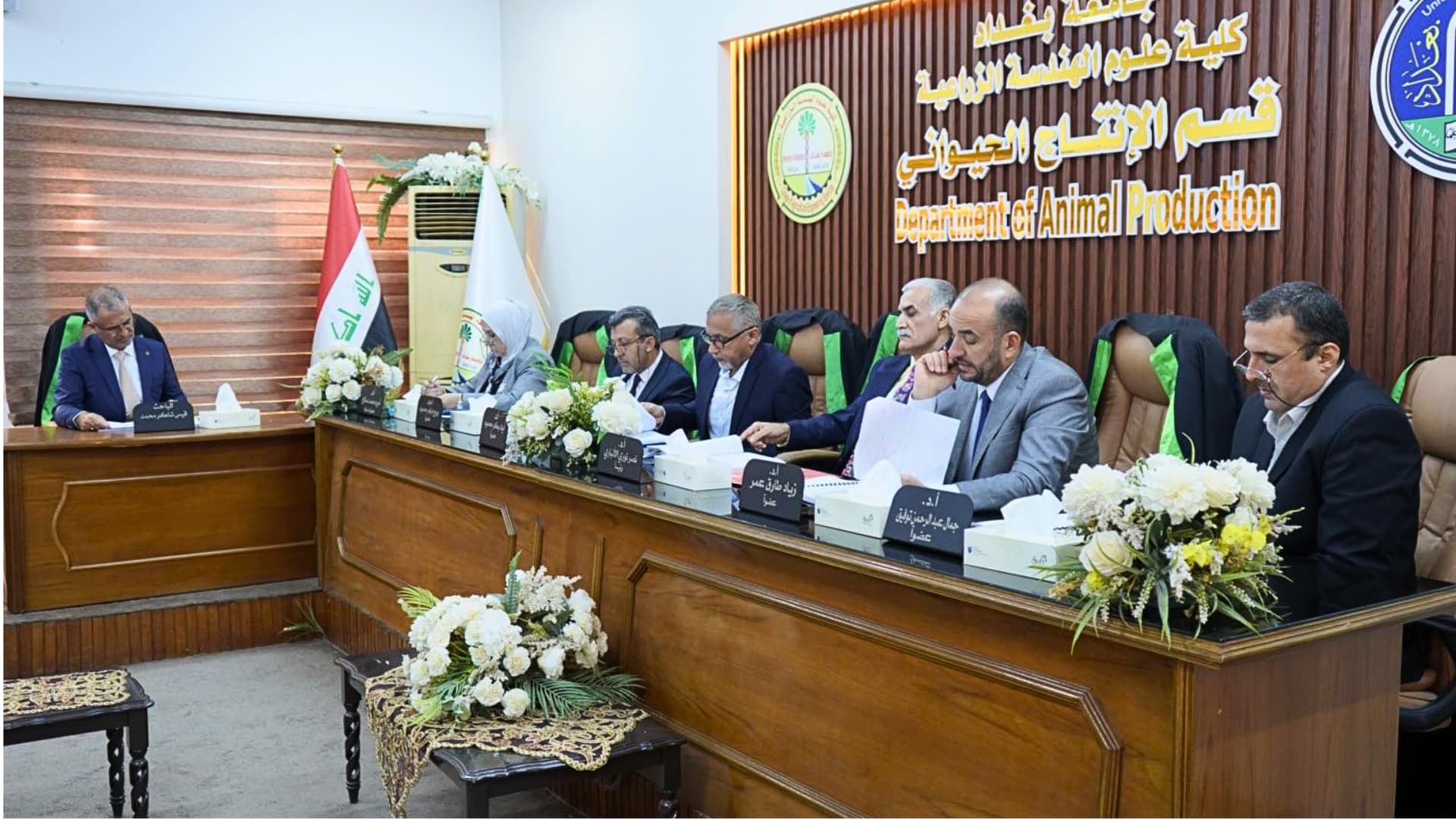
Qais Shaker Mohammed from  Department of Animal Production successfully defended his Ph.D. work with the title ” The Effect of Genetic Polymorphisms of the Myostatin and Leptin Genes on the Meat Characteristics of Sheep Carcasses”
The study aimed to investigate the relationship between the genetic polymorphisms of the studied genes and the meat characteristics of local sheep carcasses. It also sought to develop a selection strategy based on the obtained genetic profiles and the traits associated with each gene.
 The researcher recommended conducting further studies using larger sample sizes to obtain more accurate results regarding the association between the genetic patterns of the studied genes. In addition, he suggested performing further analyses to detect polymorphisms in other regions of the Myostatin and Leptin genes to better understand their effects on meat traits.


You May Also Like

The best poster competition is titled “INFLUENCE OF DRUGS ABUSE ON ACADEMIC PERFORMANCE.”

The College of Agricultural Engineering Sciences discusses methods for examining the quality of wheat grain upon receipt in silos.

Top Iraqi Public Universities in Scopus in 2023 (up to 28/04/2023)

A seminar on the effect of relaxin on semen parameters in mammals by the College of Agricultural Engineering Sciences

The College of Agricultural Engineering Sciences discusses a master thesis on viruses infecting cucurbits

The College of Agricultural Engineering Sciences discusses a PhD thesis on ground beetles

A workshop organized by agricultural engineering sciences on the mechanism of granting agricultural loans

The College of Agricultural Engineering Sciences discusses a PhD thesis on the embroidered bug.

Discussion of a PhD thesis on cucumber plants, College of Agricultural Engineering Sciences

A training course in agricultural engineering sciences on the chemical analysis of soil, water and plants

A training course in agricultural engineering sciences on closed irrigation

Scientific course in Agricultural Engineering Sciences in risk management in scientific laboratories and methods of treatment

Comments are disabled.