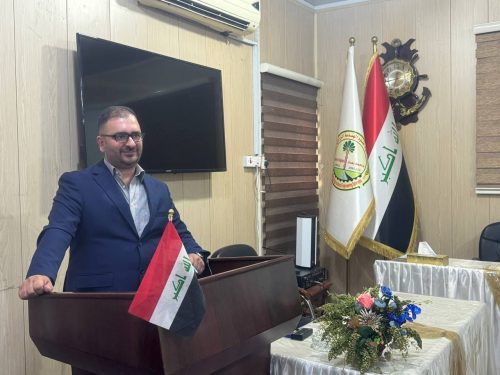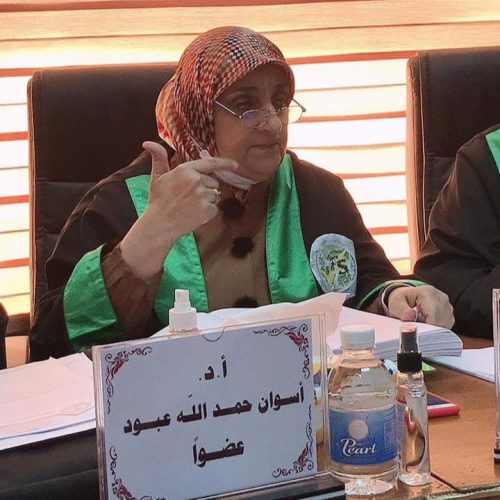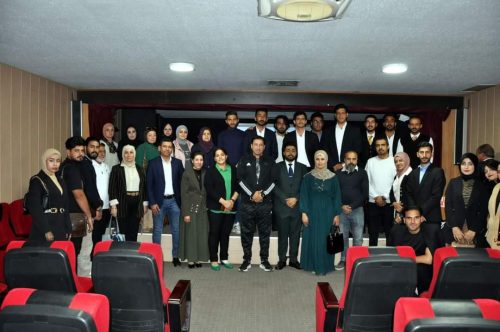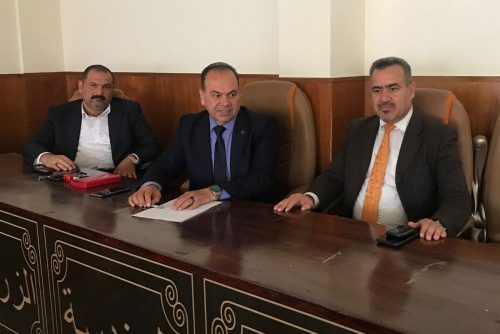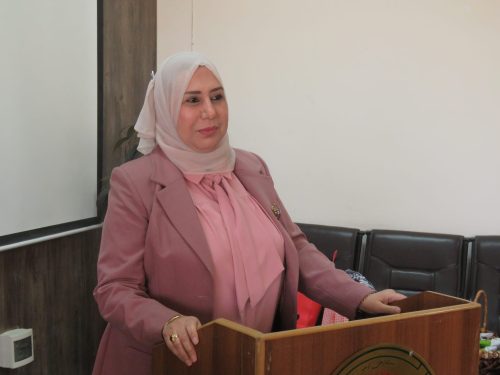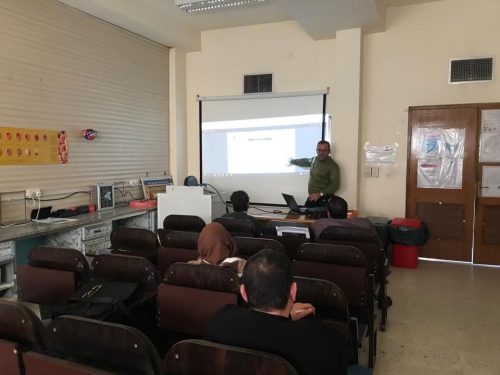
The Civil Defense Unit at the College of Agricultural Engineering Sciences, University of Baghdad, in cooperation with the Continuing Education Unit at the college and the Civil Defense Division at the University Presidency, held a guidance and training workshop on the correct methods for using fire extinguishers, basic first aid procedures, and evacuation plans, from October 7 to 8, 2026.
The workshop aimed to enhance the awareness of staff and students regarding safety and security procedures and to increase readiness to handle emergency situations within the campus environment. The workshop’s topics included a theoretical explanation and practical application of the types of fire extinguishers and how to distinguish between them according to the type of fire. It also included training on basic first aid steps to treat injuries and suffocation cases until specialized teams arrive, as well as evacuation procedures in the event of any emergency.


You May Also Like
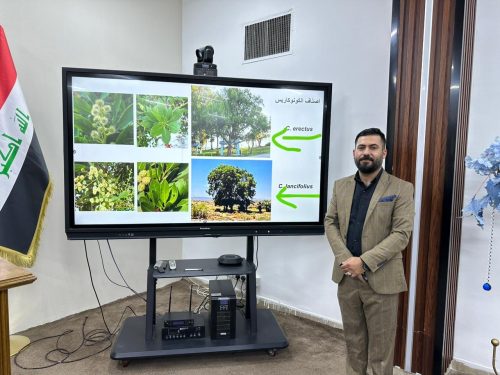
A Seminar discussed by the College of Agricultural Engineering Sciences

A Seminar discussed by the College of Agricultural Engineering Sciences

A Seminar discussed by the College of Agricultural Engineering Sciences

A Seminar discussed by the College of Agricultural Engineering Sciences

Defending a Master’s Thesis at the College of Agricultural Engineering Sciences on a Cooling System

Participation of the College of Agricultural Engineering Sciences in the International Scientific Conference on Soil and Water Assessment

A Seminar at the College of Agricultural Engineering Sciences on Sustainable Green Environment

Patent for a Faculty Member in the College of Agricultural Engineering Sciences

Participation of the Student Activities Division in the Short Film Festival

A Workshop on Student Discipline Regulations in the Institutions of the Ministry of Higher Education and Scientific Research Organized by Agricultural Engineering Sciences

The College of Agricultural Engineering Sciences Celebrates International Women’s Day

A Workshop Organized by the College of Agricultural Engineering Sciences

Comments are disabled.