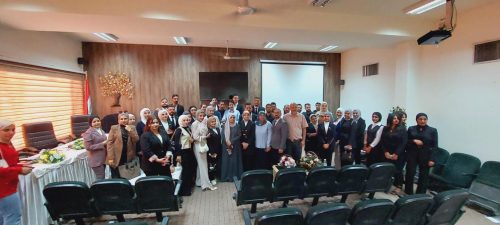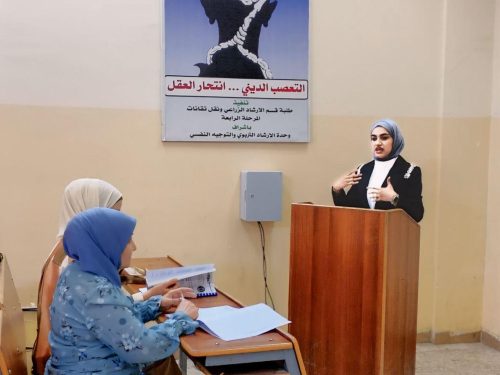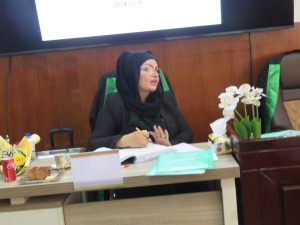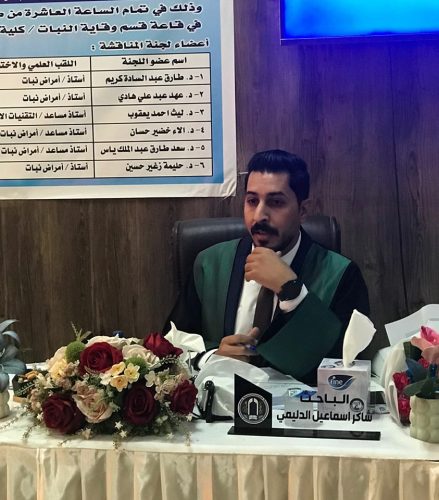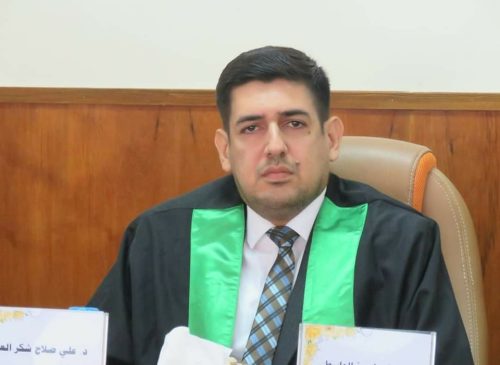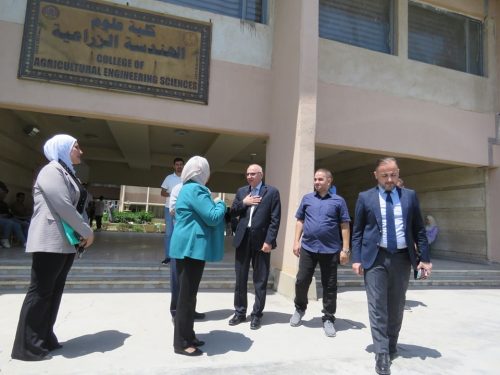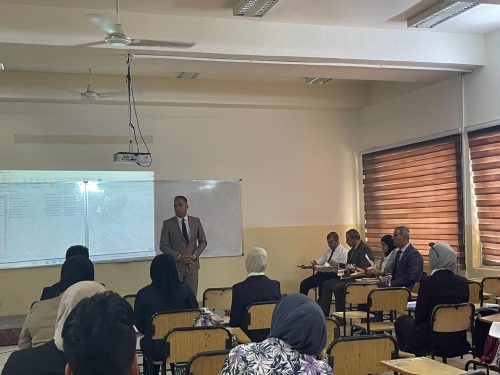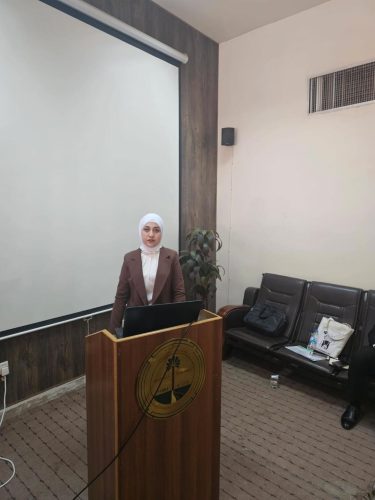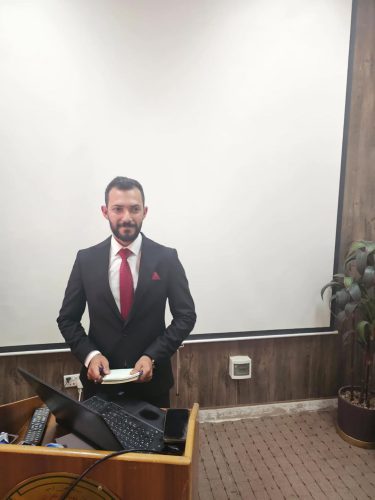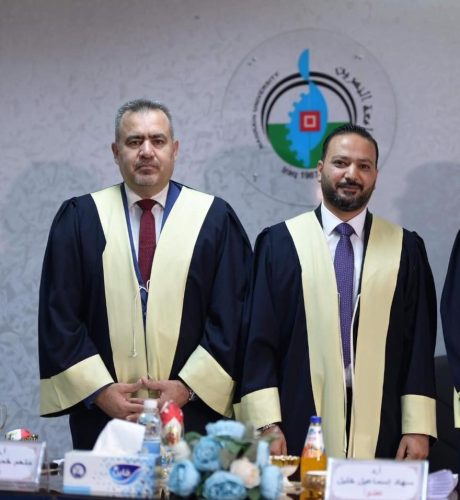
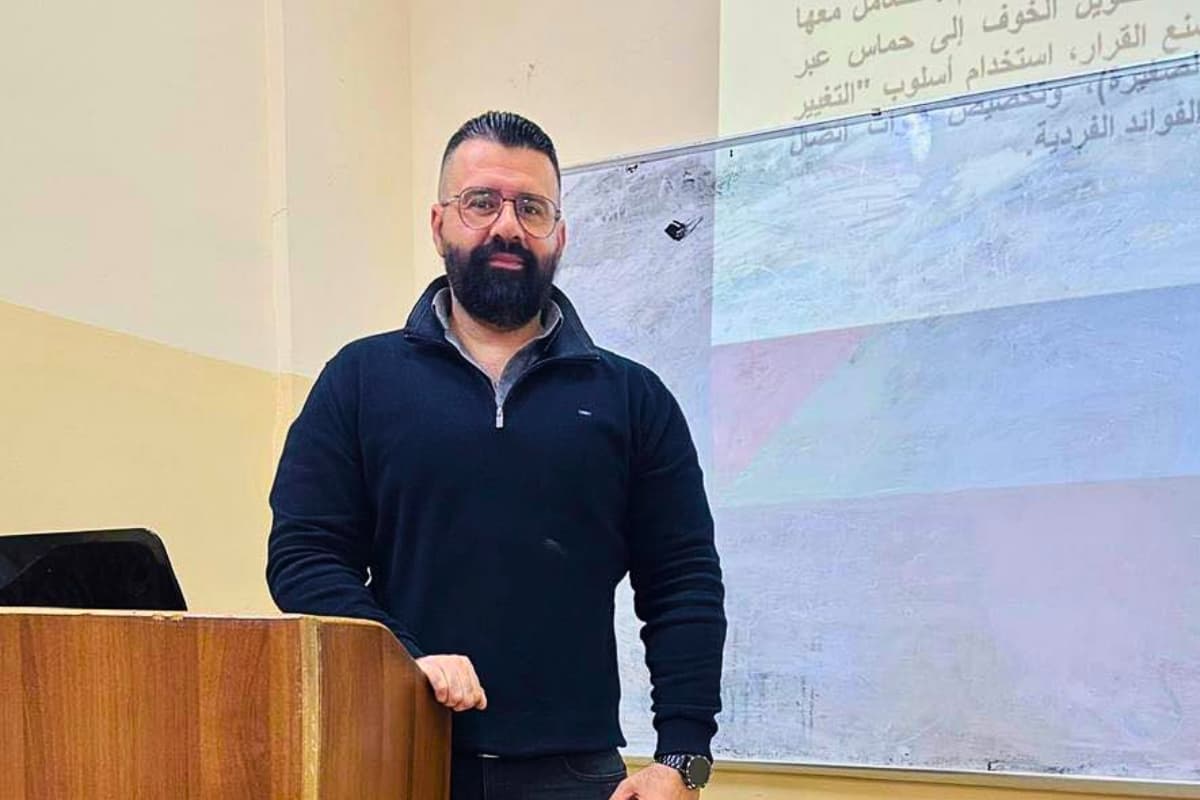
The Department of Agricultural Extension and Technology Transfer, in cooperation with the Continuing Education Unit, organized a training course entitled “Administrative Creativity as a Tool for Leading Change and Institutional Transformation.” The course was attended by a number of faculty members and staff as part of the department’s efforts to strengthen administrative development concepts and promote a culture of positive change within the university work environment.
The course aimed to enhance the concept of administrative creativity as a fundamental approach to leading institutional change, and to develop the skills of academic and administrative leaders in adopting modern methods for managing institutional transformation and addressing organizational challenges with efficiency and flexibility.
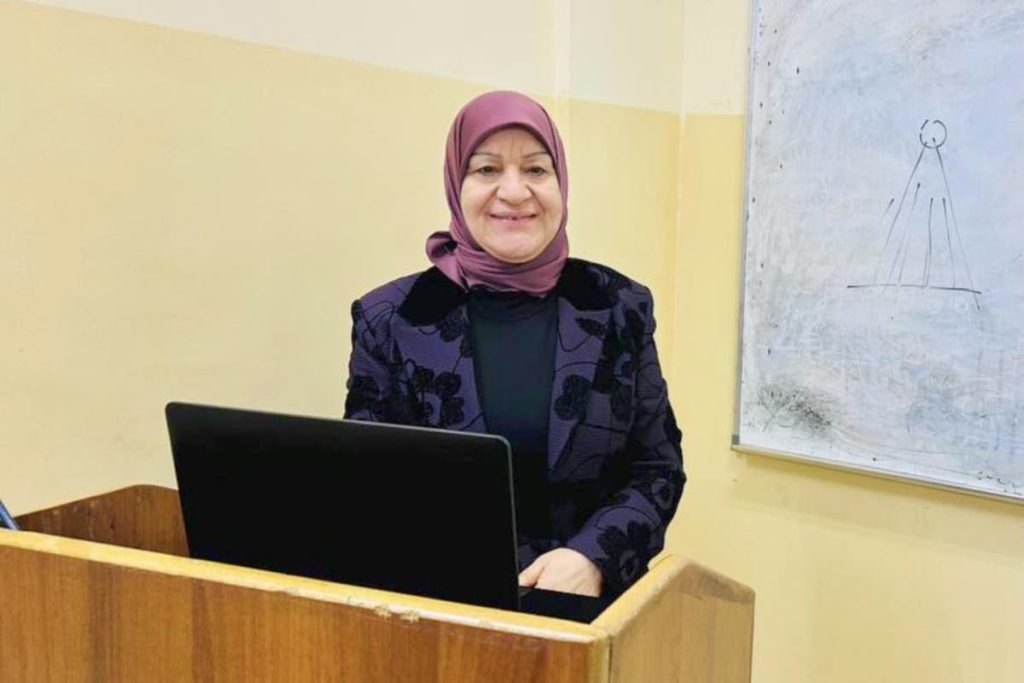
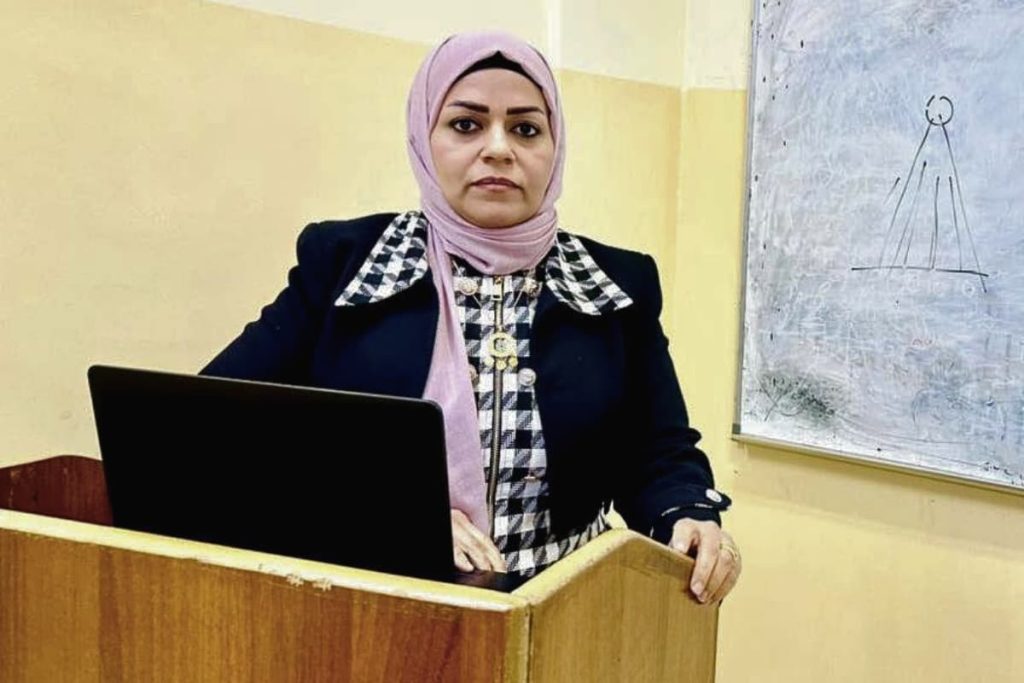
The program included three specialized scientific lectures. Prof. Dr. Bayan Abduljabbar Redha delivered the first lecture, entitled “Introduction to Administrative Creativity,” in which she reviewed the theoretical concepts and intellectual foundations of creativity in administrative work, mechanisms for fostering innovative thinking in educational institutions, and the role of leadership in creating a work environment that encourages renewal and development.
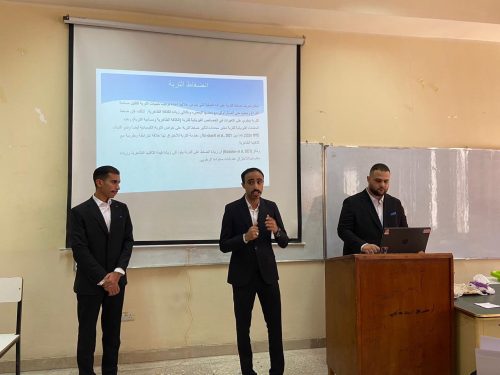
The second lecture, delivered by Assist. Prof. Dr. Mahmoud Ahmed Jalloub and entitled “Resistance to Change and Methods of Dealing with It,” highlighted the main causes of resistance to change within institutions, along with practical strategies for managing such resistance and transforming it into positive energy that supports development processes. He emphasized the importance of effective communication and trust-building between management and staff.
The third lecture was presented by Assist. Prof. Dr. Noor Jawad Marza under the title “Creativity and Institutional Transformation.” She focused on the integrative relationship between institutional creativity and organizational transformation processes, and on mechanisms for employing creative ideas in restructuring administrative processes to achieve efficiency, sustainability, and enhanced institutional competitiveness.
The course concluded with several recommendations, most notably: adopting a clear institutional strategy to promote a culture of administrative creativity at the level of departments and administrative units; integrating periodic training programs focused on change management and leadership skill development; activating internal communication channels to reduce resistance to change and enhance transparency; encouraging creative initiatives and recognizing innovative ideas that contribute to improving institutional performance; and adopting performance indicators to monitor institutional transformation processes and ensure their sustainability.
This course forms part of the College’s ongoing efforts to develop the capacities of its academic and administrative staff in alignment with quality assurance and academic accreditation standards, and to promote a culture of institutional creativity in support of sustainable development goals, particularly Goal 4 (Quality Education) and Goal 16 (Peace, Justice, and Strong Institutions).