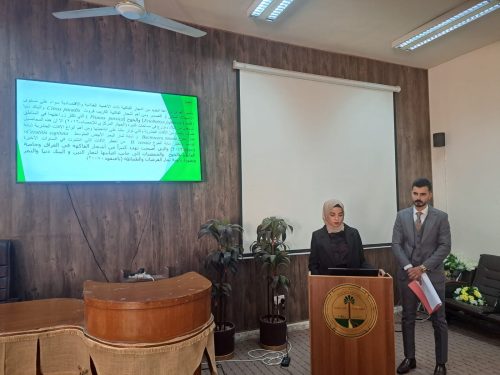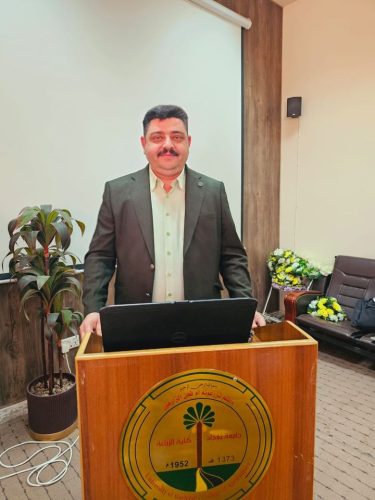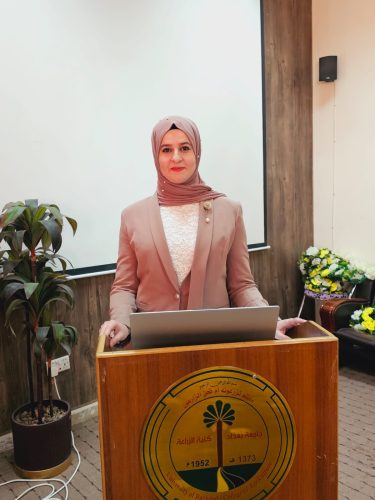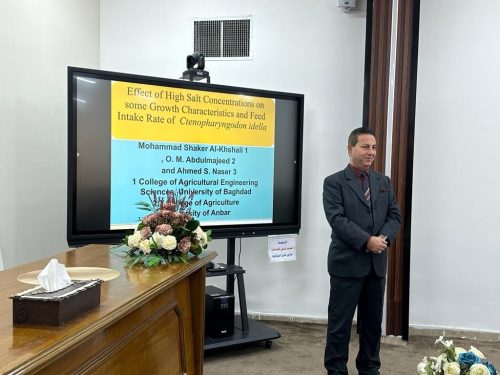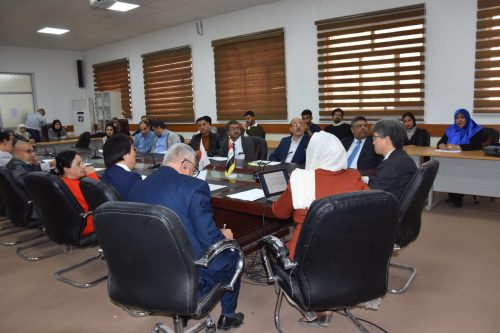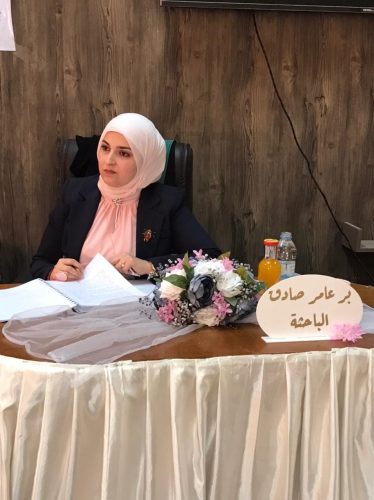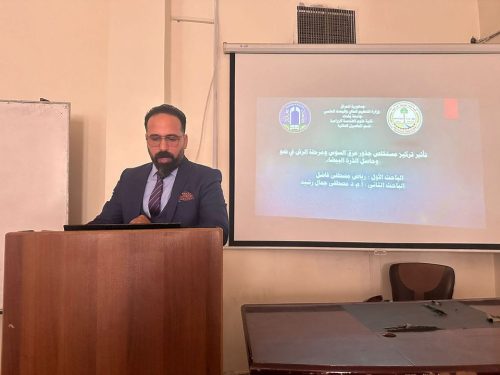
The University Psychological Counseling Unit at the College of Agricultural Engineering Sciences, University of Baghdad, organized a workshop entitled “Negative Thoughts and Their Impact on Humans,” in support of Sustainable Development Goal 4: Quality Education.
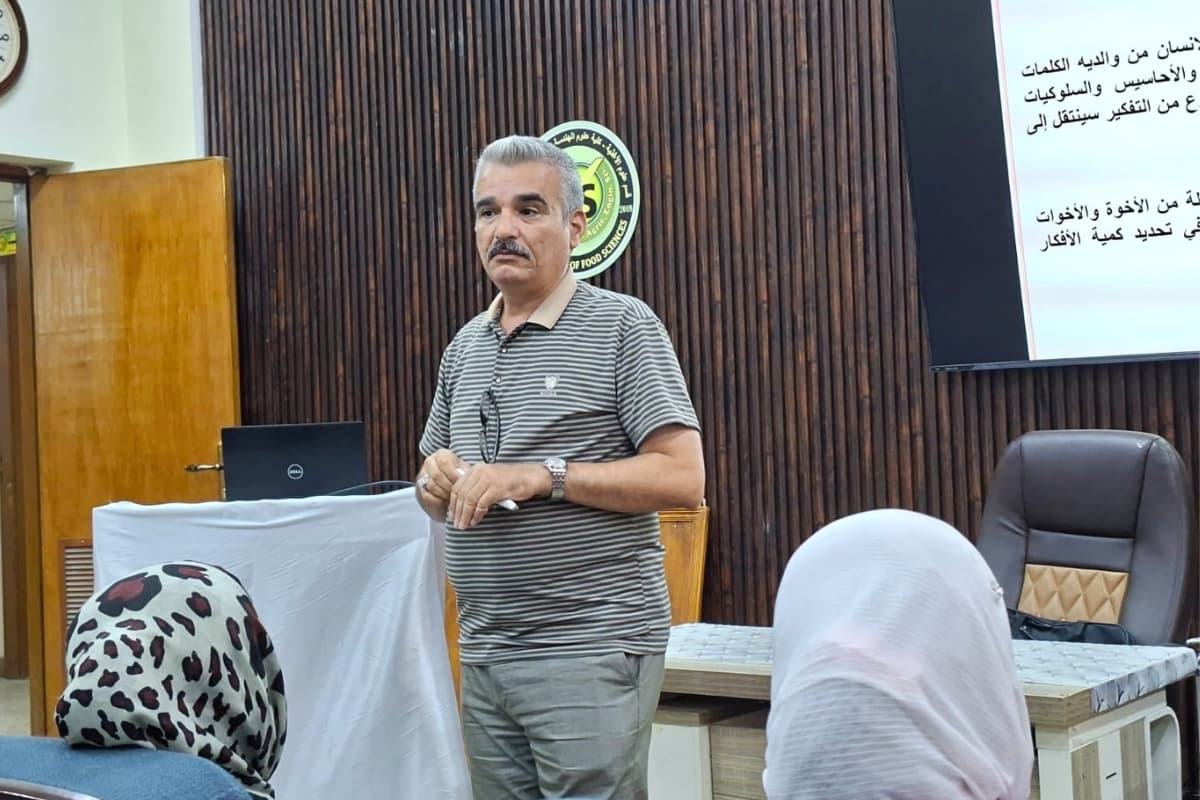
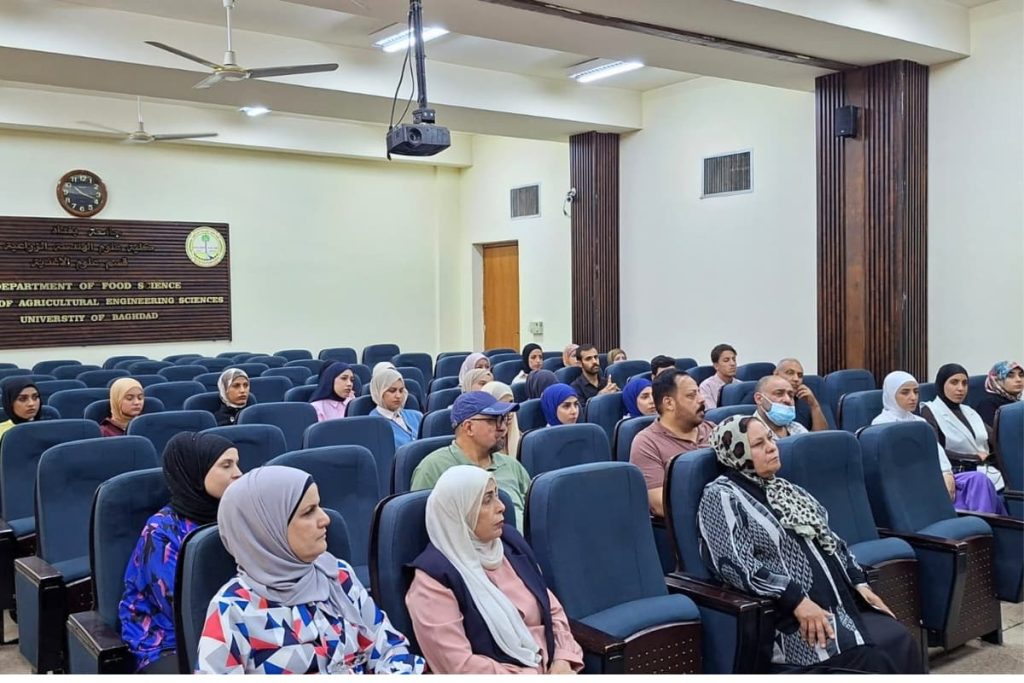
The session was delivered by Dr. Muthanna Falehi Hammoud, Head of the Counseling Unit, and attended by a number of the college’s faculty members and students.
The session was delivered by Dr. Muthanna Falehi Hammoud, Head of the Counseling Unit, and attended by a number of the college’s faculty members and students.
The workshop addressed several key topics, including an explanation of negative thoughts, their sources, methods of overcoming them, and their effects on human health.
The lecturer concluded with several recommendations, including the organization of similar scientific seminars to raise awareness of the dangers and effects of negative thoughts, and the promotion of educational approaches to help individuals deal with and eliminate such thoughts.
You May Also Like