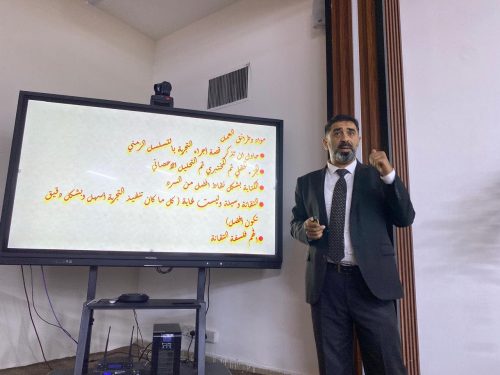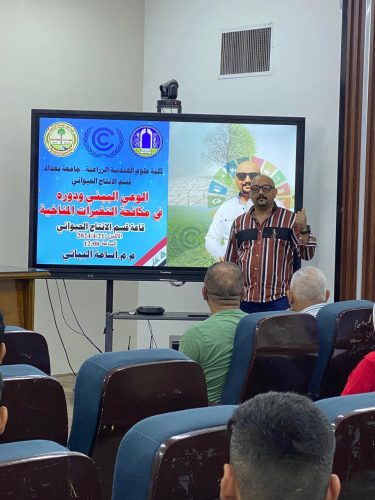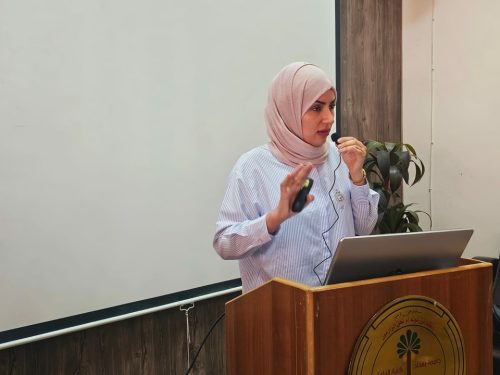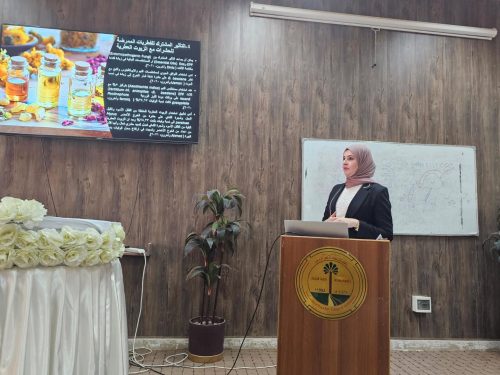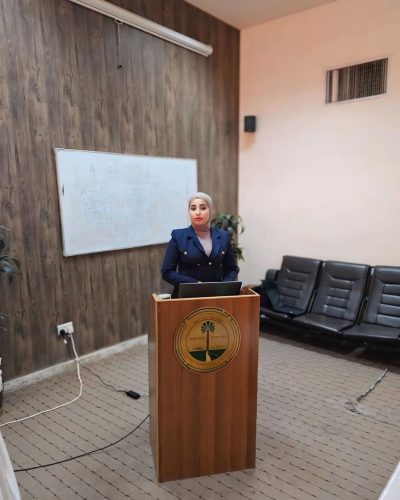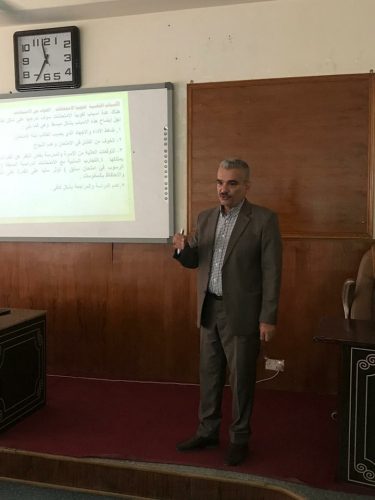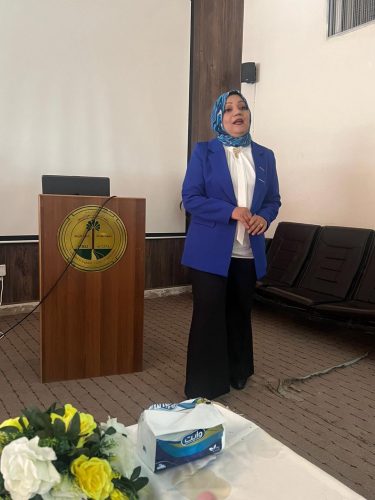

The University Psychological Counseling Unit organized a workshop entitled “The Psychology of a Corrupt Personality,” delivered by Dr. Muthanna Falhi, Director of the University Psychological Counseling Unit, with the participation of several college staff members.
The workshop addressed the definition of a corrupt personality, its psychological dimensions and development, approaches to dealing with such personalities, and their impact on the family and society.
The workshop aimed to raise awareness of the dangers posed by corrupt personalities and introduce effective approaches and mechanisms for dealing with them to mitigate their harmful effects on society.
At the conclusion of the workshop, the participants recommended intensifying various awareness activities to promote collective efforts in combating corruption and corrupt behavior in general. They also emphasized the role of the media in raising public awareness and promoting education on this issue.
This activity contributes to the achievement of Sustainable Development Goal 4 (Quality Education).