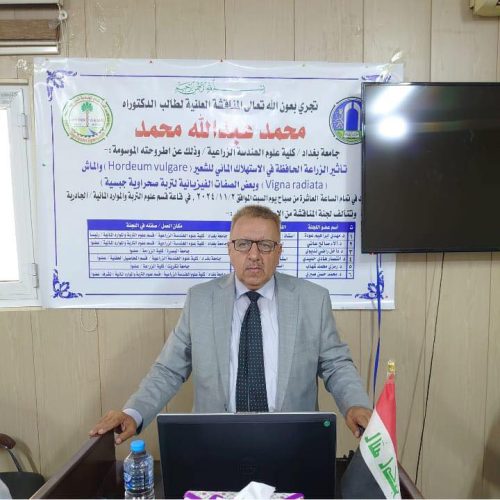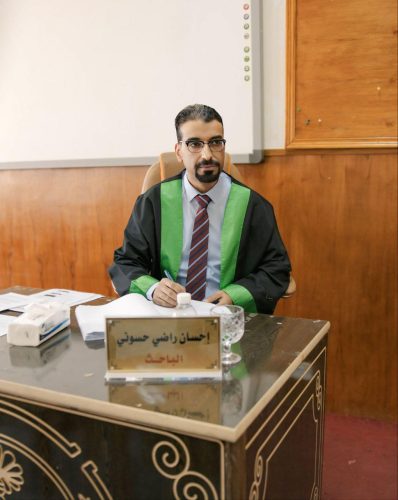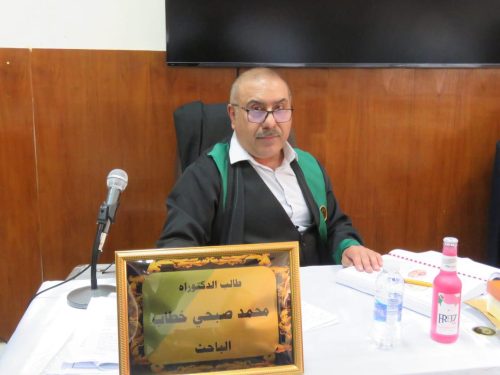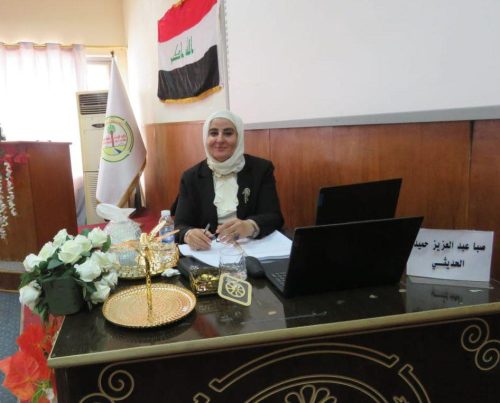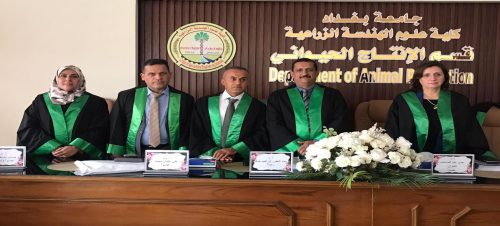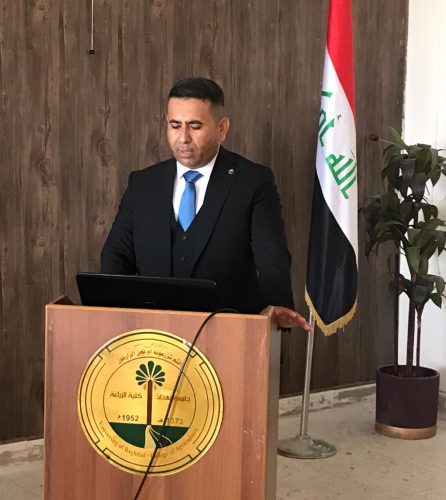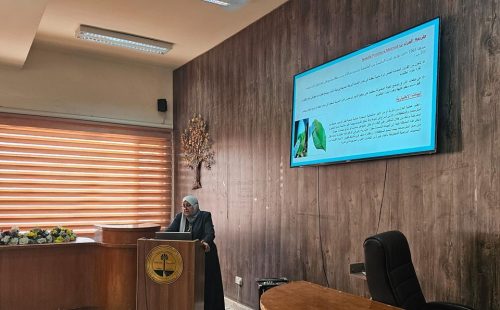
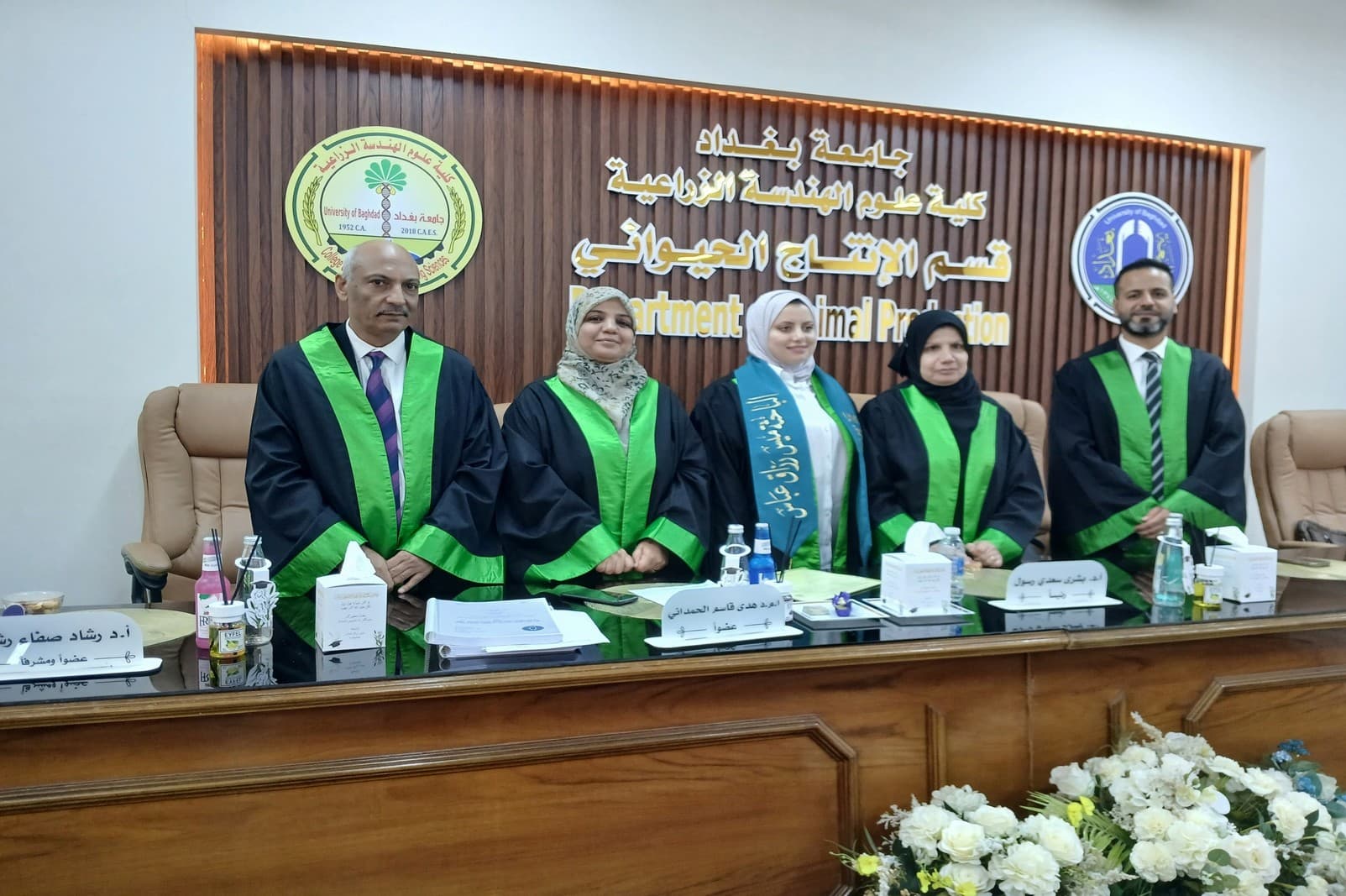
Mays Razaq Abbas from Department of Animal Production successfully defended her MSc.work with the title ) Effect of Adding Different Levels of Curcumin to Diets on the Productive Performance of Laying Hens and Some Qualitative Traits of Eggs (
The study aimed to investigate the effect of adding different levels of curcumin powder to the diets of laying hens, determine the optimal supplementation level, and evaluate its impact on productive performance, as well as the qualitative and chemical properties of the produced eggs.
 
The researcher recommended adding curcumin powder to laying hen feed at a concentration of 400 mg/kg due to its significant positive effects on improving egg production rate, egg weight, shell quality, and reducing oxidation indicators. Further studies are necessary to assess the impact of different doses on long-term performance and the physiological health of the birds.
_________________-
 

You May Also Like

Scientific Promotion

A Training Workshop on Addiction Organized by the College of Agricultural Engineering Sciences

An International Scientific Symposium on Zeolites Organized by the College of Agricultural Engineering Sciences

Master’s Thesis about Achieving Competitive Advantage for Dairy Products was Defended at the College of Agricultural Engineering Sciences

Authoring a Scientific Book in the College of Agricultural Engineering Sciences

A Workshop on Electronic Extortion Organized by the College of Agricultural Engineering Sciences

A Workshop on University Curricula and their Importance in Shaping and Developing Leadership Skills was Organized by the College of Agricultural Engineering Sciences

Rehabilitation Campaign in the Department of Animal Production

A Seminar Organized by the College of Agricultural Engineering Sciences.

Participation of the College of Agricultural Engineering Sciences in the Activities of the Arabic Calligraphy and Decoration Exhibition

University of Baghdad Achieves Top Spot Locally and 21st Regionally in Arab University Rankings 2023

Field Visit for Fourth-Year Students’ Experiments

Comments are disabled.