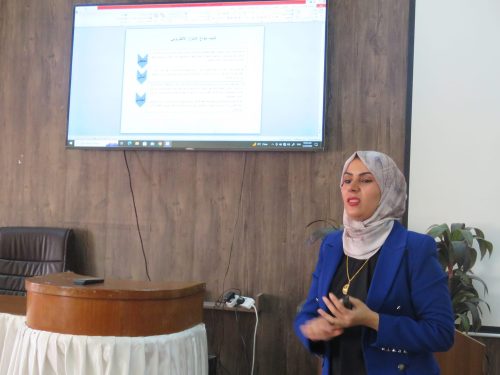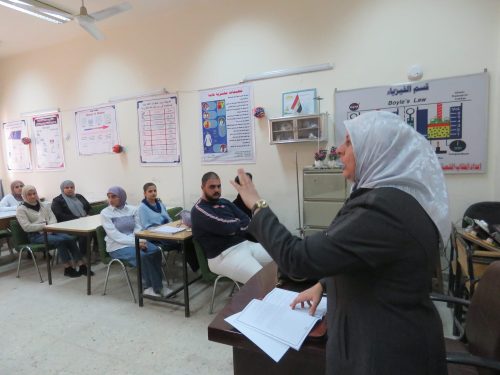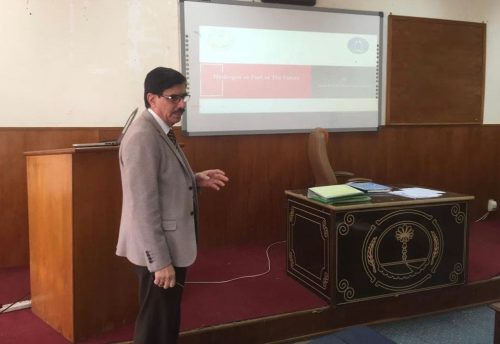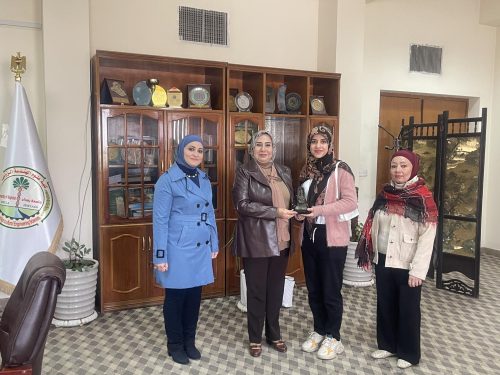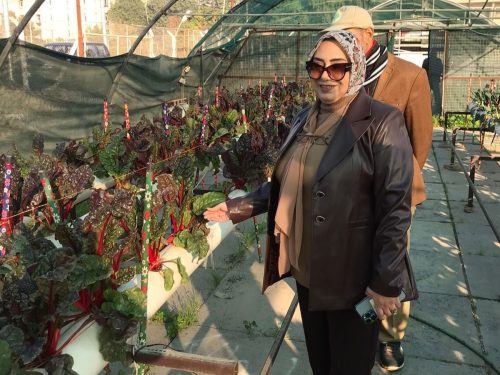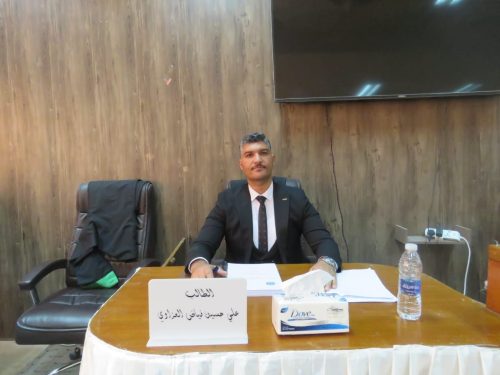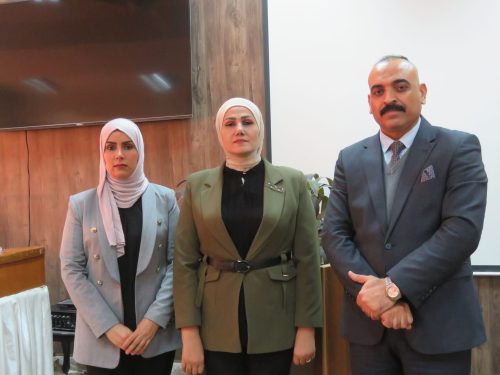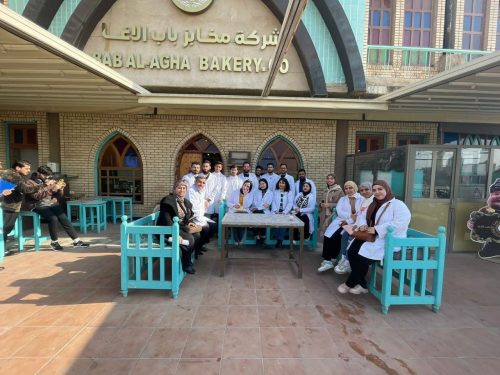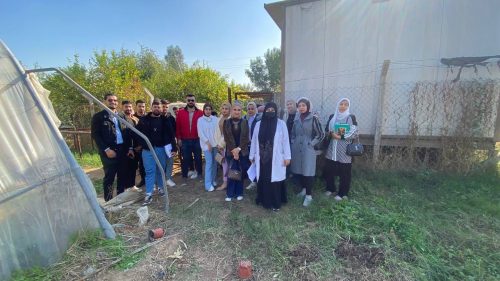
As part of the scientific cooperation program between the College of Agricultural Engineering Sciences, University of Baghdad, and the Ministry of Agriculture / Agricultural Extension Directorate – Training Center, Professor Emeritus Dr. Hamid Khalaf Kharbit from the Department of Field Crops delivered three specialized lectures.
The first lecture highlighted the economic importance of forage crops and their role in crop rotation systems. The second focused on the management and production of forage crop seeds, while the third addressed the processing of green fodder into hay and silage. Through these lectures, the objectives of this scientific collaboration were successfully achieved.
This activity contributes to the achievement of Sustainable Development Goal (SDG) 4: Quality Education and SDG 17: Partnerships for the Goals.
We wish everyone continued success and further achievements.
 

You May Also Like

A Workshop on Electronic Extortion Organized by the College of Agricultural Engineering Sciences

A Workshop on University Curricula and their Importance in Shaping and Developing Leadership Skills was Organized by the College of Agricultural Engineering Sciences

Rehabilitation Campaign in the Department of Animal Production

A Seminar Organized by the College of Agricultural Engineering Sciences.

Participation of the College of Agricultural Engineering Sciences in the Activities of the Arabic Calligraphy and Decoration Exhibition

University of Baghdad Achieves Top Spot Locally and 21st Regionally in Arab University Rankings 2023

Field Visit for Fourth-Year Students’ Experiments

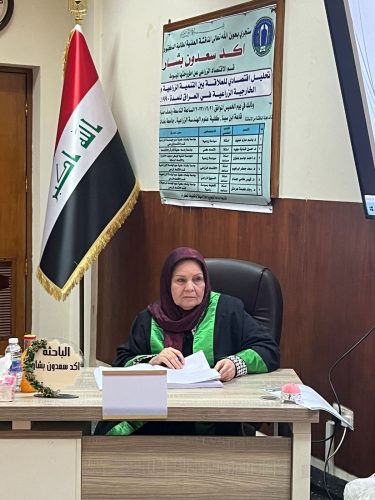
The Relationship Between Agricultural and Commercial Development: A Doctoral Dissertation Defended at the College of Agricultural Engineering Sciences

PhD Dissertation on the Antibacterial Properties of Certain Foods was Defended at the College of Agricultural Engineering Sciences

A Workshop on the Scourge of Drugs Organized by the College of Agricultural Engineering Sciences

Within the Requirements of Practical Courses

Application of Courses Practically and in the Fields of the College of Agricultural Engineering Sciences

Comments are disabled.